Pairing Brazilian Dishes with Wine: A Guide Beyond Eurocentric Traditions
The traditional approach to wine and food pairing has historically been Eurocentric, associating specific wines with dishes from their regions of origin. However, as global wine production has expanded, so have the possibilities for pairing. This article explores suitable wine pairings for a variety of popular Brazilian dishes, challenging conventional notions and encouraging broader culinary exploration. It highlights that Brazil is now a significant producer of quality sparkling wines, making them a natural accompaniment to many local foods, much like acarajé.
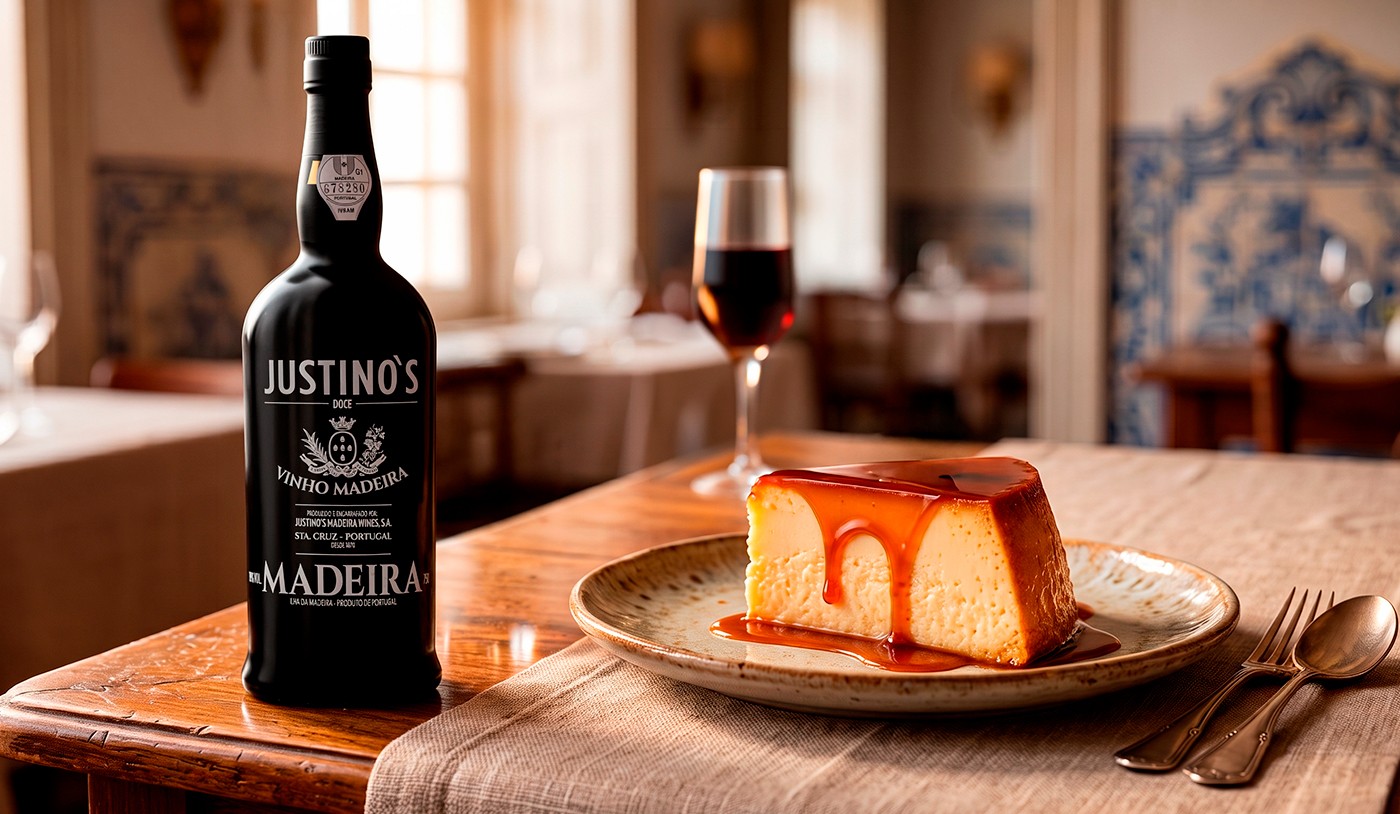
The guide offers specific recommendations for several dishes. For feijoada, dry or extra brut sparkling wines with high acidity are suggested to cut through the richness and saltiness. Grilled meats pair well with full-bodied red wines like Cabernet Sauvignon, Tannat, Sangiovese, and Tempranillo, which have tannins to balance the fat. Moqueca, a seafood stew, benefits from aromatic white wines with good acidity, such as Sauvignon Blanc, or light-bodied reds like Pinot Noir, with sparkling wines also being versatile options. For cheese-based snacks and fried appetizers, refreshing Brut sparkling wines are recommended. Galinhada is suited to medium-bodied whites like Chardonnay or Viognier, and light reds such as Merlot or Pinot Noir. Spicy and fried acarajé pairs well with refreshing, low-alcohol white wines like Vinho Verde or Riesling, and semi-sweet sparkling wines to balance the heat. Finally, Brazilian desserts like quindim and pudim can be paired with sweet wines, including Moscatel for lighter desserts and Port or Madeira wines for chocolate-based sweets.
This article thoughtfully deconstructs traditional, Eurocentric wine pairing norms by advocating for the integration of Brazilian cuisine with diverse wine selections, including Brazil's own burgeoning sparkling wine production. It emphasizes the principle of balancing flavor profiles—acidity, fat, and intensity—as a universal guide for successful pairings, moving beyond rigid, geographically-bound rules. By encouraging experimentation with local ingredients and global wine varietals, the piece promotes a more inclusive and dynamic approach to gastronomy. This aligns with broader trends of cultural fusion and the democratization of fine dining, suggesting that sophisticated culinary experiences are increasingly accessible and adaptable to local contexts, rather than being dictated by historical European standards. The underlying message encourages consumers to trust their palates and explore new taste combinations, fostering a more adventurous and informed approach to food and wine appreciation in the coming decade.
AI-generated to prompt reflection — not editorial opinion, not advice, not a statement of fact. How this works.