Pajé Zeneida Lima, 92, Releases New Autobiography Chapter Honoring Marajoara Culture
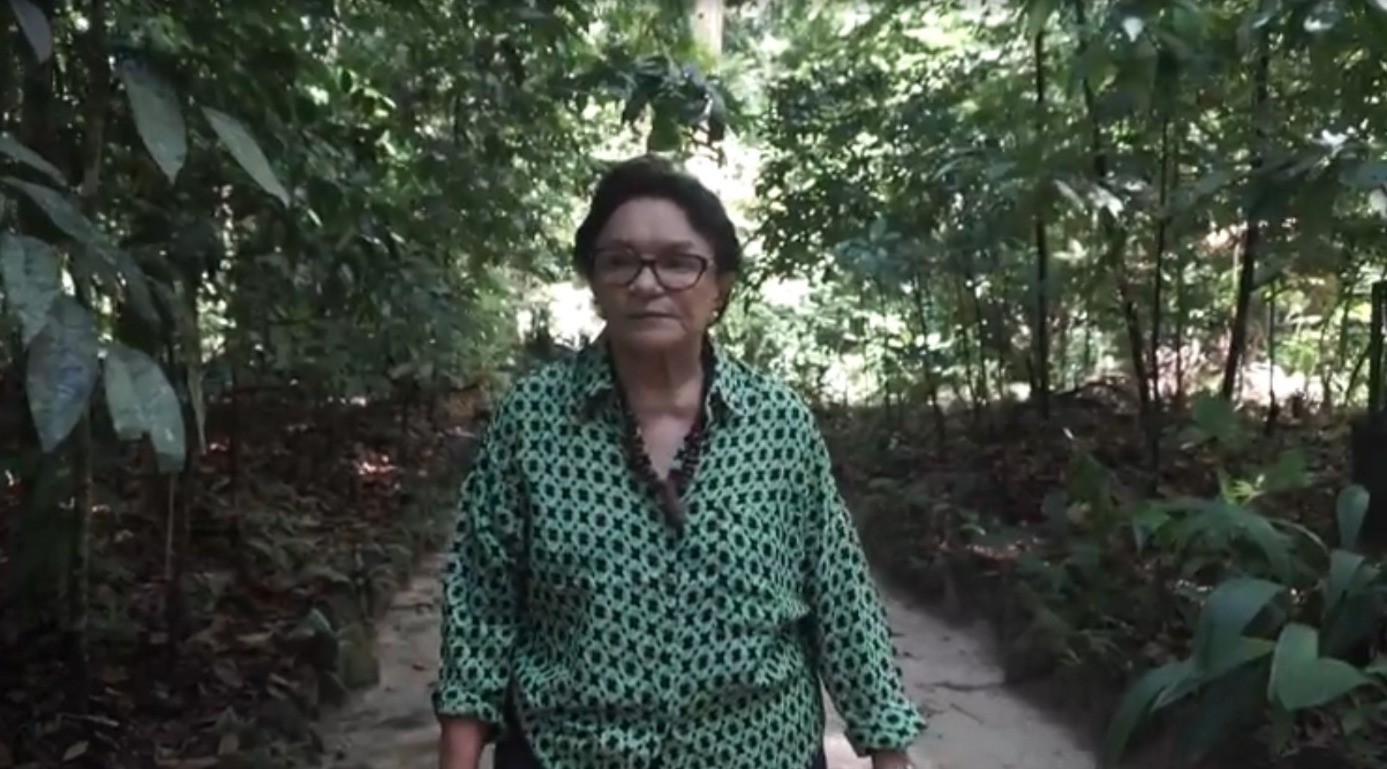
Zeneida Lima, a respected pajé (shaman), writer, composer, and environmentalist, is celebrating her 92nd birthday on Tuesday, July 21st, with the release of her new book, "Meus Caruanas." This work marks a new chapter in her life story, completing the autobiography she began over three decades ago with "O Mundo Místico dos Caruanas da Ilha do Marajó" in 1992. That earlier book brought Marajoara shamanism to Sapucaí, the iconic parade ground of Rio de Janeiro's Carnival, and inspired the champion 1998 parade of the Beija-Flor de Nilópolis samba school. In 2027, Beija-Flor will once again pay tribute to Lima, a native of Pará, with a parade theme titled "Zeneida: O Sopro do Pó de Louro" (Zeneida: The Breath of Laurel Dust), inspired by her life and legacy. Born in Soure, within the Marajó archipelago, Zeneida is a leading figure in indigenous shamanism. She was officially recognized as a pajé at the age of 11 and has dedicated her life to preserving ancestral knowledge, Amazonian spirituality, and nature. She also founded the Caruanas do Marajó Culture and Ecology Institution (ICMCE), which supports approximately 200 children and adolescents with educational, cultural, and environmental preservation activities. In 2021, she received an honorary doctorate from the State University of Pará (Uepa). "Meus Caruanas" compiles memories of her return to Pará, the establishment of the Caruanas do Marajó Foundation, and the challenges of preserving traditional knowledge. The book expands on her first work, revealing new episodes of a life devoted to culture, the environment, and Amazonian spirituality, with a preface by historian Luiz Antonio Simas. Lima's connection with Beija-Flor spans nearly thirty years, having contributed to the preparation of their 1998 championship parade. Despite national recognition, Lima emphasizes her primary mission remains the care of the Amazon and future generations, expressing a deep wish for unity in protecting nature and ensuring its bounty for the next generation.
Zeneida Lima's 92nd birthday and new book highlight the enduring cultural significance of indigenous traditions and environmental stewardship in the Amazon. The repeated honor from the Beija-Flor samba school underscores the increasing visibility of Amazonian heritage within mainstream Brazilian culture, potentially fostering greater public engagement with ecological and ancestral knowledge. This narrative presents an opportunity to examine how cultural institutions and artistic platforms can serve as powerful vehicles for preserving and disseminating vital indigenous wisdom, particularly concerning environmental conservation. The dual focus on cultural legacy and ecological health suggests a systemic imperative to integrate traditional knowledge into contemporary conservation strategies, recognizing its value beyond its intrinsic cultural worth and its potential to inform sustainable practices in an era of escalating environmental challenges. The story prompts reflection on how society can better support and amplify the voices of elders and knowledge keepers, ensuring their wisdom informs future generations and policy decisions.
AI-generated to prompt reflection — not editorial opinion, not advice, not a statement of fact. How this works.