Pakistan Adjusts Fuel Prices: Petrol Down Re1, Diesel Up Rs3.37 Amid Global Volatility
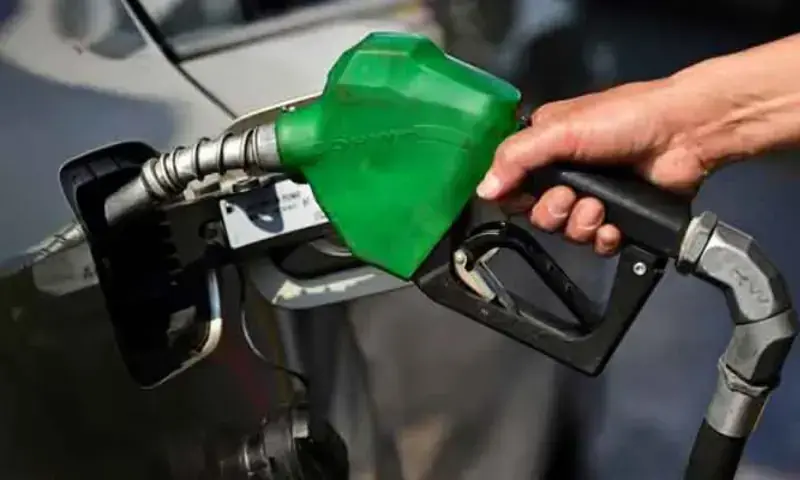
The Pakistani government announced a revision in fuel prices on Friday, decreasing the price of petrol by Re1 per litre while increasing the price of high-speed diesel (HSD) by Rs3.37 per litre. These adjustments reflect the impact of fluctuating global oil prices, particularly in light of renewed hostilities in the Persian Gulf. Following the changes, petrol is now priced at Rs334.18 per litre, and HSD at Rs386.83 per litre. The government continues to levy significant taxes and duties, totaling Rs110 per litre on petrol and Rs96 per litre on diesel. These new prices were set to take effect on July 28. The notification also highlighted that HSD had previously peaked at Rs520.35 on April 3, having risen from Rs281 per litre after the US-Iran conflict began on February 28. Similarly, petrol reached a high of Rs458.41 on April 3, after starting its ascent from Rs266 in early March. The Petroleum Minister, Ali Pervaiz Malik, stated that fuel prices would now be fixed daily due to international market volatility. Previously, weekly revisions were implemented since early March, alongside fuel conservation measures due to potential oil supply disruptions from the Middle East conflict. The government had also introduced targeted relief measures for subsidized fuel in April. The Oil and Gas Regulatory Authority (Ogra) has been tasked with daily fuel price determinations based on international market trends, a decision that the All Pakistan Dealers Association has rejected, signaling potential protest. Petrol primarily impacts private transport and lower-income segments, while diesel affects heavy transport, power generation, and large industries. Petrol and HSD are significant revenue sources, with monthly sales ranging from 700,000 to 800,000 tonnes.
The Pakistani government's decision to adjust fuel prices daily, influenced by global market volatility and geopolitical events in the Persian Gulf, introduces a new dynamic for consumers and the fuel distribution sector. While daily pricing aims to reflect immediate international market trends, it also creates uncertainty for businesses and households, particularly those reliant on petrol and diesel for transportation and energy. The significant tax component on both fuels suggests a substantial reliance on petroleum products as a revenue source, potentially limiting the government's flexibility to buffer price shocks for the public. The rejection of daily pricing by the All Pakistan Dealers Association indicates potential logistical and economic challenges in implementing such a system, possibly leading to further market friction. This policy shift, framed as a response to external pressures, could also be examined through the lens of fiscal management and the long-term strategy for energy price stabilization and diversification within Pakistan.
AI-generated to prompt reflection — not editorial opinion, not advice, not a statement of fact. How this works.