Pakistan Adjusts Fuel Prices: Petrol Down Slightly, Diesel Up Significantly
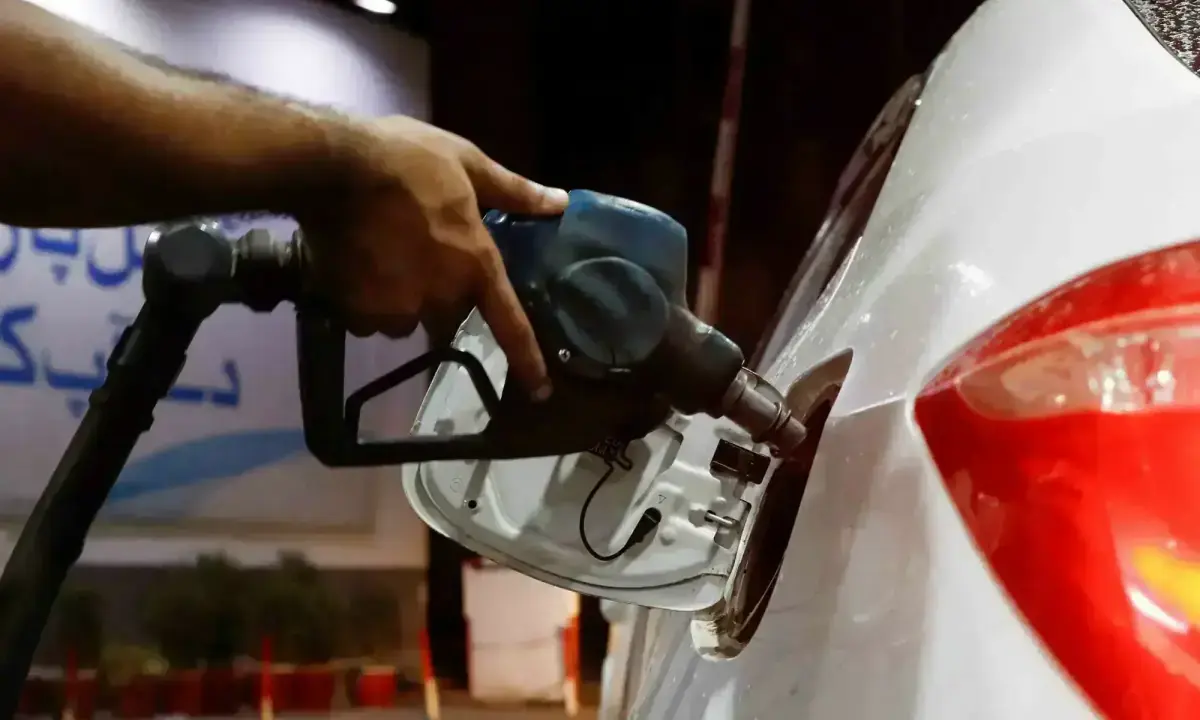
The Pakistani government announced a minor decrease in petrol prices by Rs0.35 per litre, bringing the new price to Rs315.80. Concurrently, the price of high-speed diesel (HSD) saw a substantial increase of Rs5.71 per litre, setting the new rate at Rs360.06. These adjustments, effective from July 21, are attributed to fluctuating global oil prices, exacerbated by renewed regional hostilities in the Persian Gulf. The Petroleum Division stated these changes aim to reflect international market dynamics. This marks a shift from weekly revisions, as Petroleum Minister Ali Pervaiz Malik indicated that fuel prices would now be fixed daily. This daily pricing decision, which grants the Oil and Gas Regulatory Authority (Ogra) the authority to adjust prices based on international trends, was reportedly decided by the cabinet and prime minister. The All Pakistan Dealers Association has rejected this daily pricing mechanism and is considering protest actions. Diesel prices had previously peaked at Rs520.35 on April 3, having risen significantly after the US-Iran conflict began in late February. Similarly, petrol prices reached a high of Rs458.41 on April 3, after starting an upward trend in early March. The government had previously implemented weekly price revisions and targeted relief measures, including subsidized fuel in April, to mitigate the impact of potential oil supply disruptions and price volatility.
The Pakistani government's shift to daily fuel price adjustments, driven by global market volatility and regional conflicts, reflects an attempt to manage fiscal exposure and maintain price alignment with international benchmarks. While intended to stabilize the market and potentially reduce government subsidies, this policy introduces significant uncertainty for consumers and businesses. The daily fluctuations, particularly the substantial rise in diesel prices, will likely increase operational costs for the transport and energy sectors, disproportionately affecting the middle and lower-middle classes who rely on these fuels. The dealers' association's rejection signals potential supply chain disruptions if protests materialize. Moving forward, the efficacy of this daily pricing model will depend on its ability to genuinely track global trends without exacerbating domestic economic pressures or creating opportunities for arbitrage, while also considering the broader socio-economic impact on a population sensitive to fuel cost increases.
AI-generated to prompt reflection — not editorial opinion, not advice, not a statement of fact. How this works.