Pakistan-Afghanistan Border Clashes: Understanding the Conflict
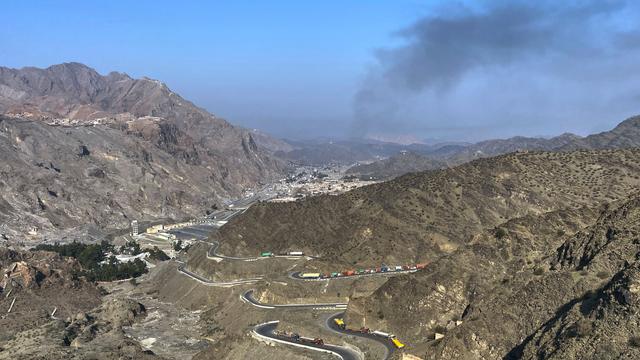
Tensions remain high along the Pakistan-Afghanistan border, with recurring attacks and multiple negotiation attempts failing to de-escalate the situation. Pakistan has characterized the ongoing hostilities as an "open war." The conflict stems from a complex interplay of factors, including border disputes, the presence of militant groups, and historical grievances between the two neighboring nations. Both countries have accused each other of harboring and supporting insurgent factions that carry out attacks within their respective territories. The Durand Line, the disputed border demarcated by the British in 1896, continues to be a major point of contention, with Afghanistan not officially recognizing it. This lack of clear demarcation fuels instability and provides fertile ground for cross-border incursions. The Pakistani government has cited the need to secure its territory and prevent terrorist activities as the primary reason for its military actions. Conversely, Afghanistan has accused Pakistan of violating its sovereignty and interfering in its internal affairs. The international community has urged both sides to exercise restraint and engage in constructive dialogue to find a peaceful resolution. However, the deep-seated mistrust and divergent strategic interests make a lasting peace agreement challenging to achieve. The volatile situation poses a significant threat to regional security and stability, impacting trade, humanitarian efforts, and the overall geopolitical landscape.
The recurring border clashes between Pakistan and Afghanistan highlight the persistent challenges of state sovereignty and security in regions with contested borders and a history of proxy conflicts. The designation of "open war" by Pakistan suggests a significant escalation in rhetoric and potentially in military engagement, driven by perceived threats from militant groups operating across the frontier. Afghanistan's counter-accusations of sovereignty violations point to a breakdown in diplomatic trust and differing interpretations of security imperatives. The unresolved issue of the Durand Line remains a foundational element of this instability, underscoring how historical geopolitical decisions continue to shape present-day conflicts. Moving forward, a sustainable resolution will likely require not only bilateral dialogue but also regional and international cooperation to address the underlying security concerns and foster economic interdependence, thereby reducing incentives for conflict.
AI-generated to prompt reflection — not editorial opinion, not advice, not a statement of fact. How this works.