Pakistan Allies Clash Over Election Results as AJK Polls Continue
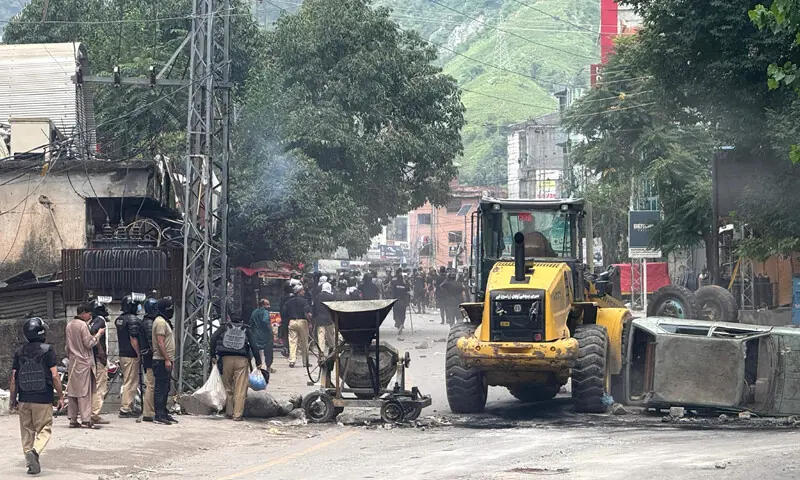
Tensions between Pakistan's ruling coalition partners, the Pakistan Muslim League-Nawaz (PML-N) and the Pakistan Peoples Party (PPP), have intensified following the first phase of the Azad Jammu and Kashmir (AJK) elections. Despite multiple rounds of talks, the parties remain at odds over alleged rigging in the Mirpur elections, with the second phase of polling scheduled for today in Muzaffarabad and refugee constituencies. PML-N leader Rana Sanaullah questioned the legitimacy of President Asif Ali Zardari's election, drawing parallels to PPP Chairman Bilawal Bhutto-Zardari's rigging allegations against the PML-N in the 2024 general elections. Sanaullah also criticized Interior Minister Mohsin Naqvi, whom he described as a protégé of President Zardari, for his rapid political advancement. Meanwhile, PPP leader Saeed Ghani reiterated claims that the PML-N has consistently won elections through rigging, asserting that the PPP has never resorted to such practices. The PML-N leadership, including Prime Minister Shehbaz Sharif, his brother Nawaz Sharif, and Punjab Chief Minister Maryam Nawaz, met at Jati Umra to discuss the escalating political challenges and the rift with the PPP. A PML-N source indicated that while isolated incidents of rigging might have occurred due to local candidate support, the party leadership dismissed widespread, pre-planned rigging. The PPP had initially raised objections in four constituencies but later withdrew them for two. Discussions are ongoing regarding the remaining two constituencies where PPP candidates lost to PML-N opponents. Separately, Bilawal Bhutto-Zardari reported a positive response from the banned Joint Awami Action Committee to his proposal for a truth and reconciliation commission, which has also been endorsed by the AJK Legislative Assembly.
The escalating public dispute between the PML-N and PPP over AJK election results highlights the inherent fragility of coalition governments, particularly when national-level political rivalries are projected onto regional contests. The exchange of rigging allegations, while a common feature of Pakistani politics, risks undermining public trust in electoral processes and potentially destabilizing the federal government, which relies on this alliance. The parties' focus on historical grievances and personal attacks, rather than substantive policy discussions, suggests a short-term political calculus driven by electoral performance and internal party dynamics. Looking ahead, the ability of these allies to manage such conflicts will be crucial for effective governance and maintaining political stability, especially as Pakistan navigates complex economic and security challenges in the coming decade. The proposed truth and reconciliation commission, if pursued, could offer a pathway for addressing underlying issues, but its success will depend on genuine commitment from all stakeholders and a willingness to move beyond partisan recriminations.
AI-generated to prompt reflection — not editorial opinion, not advice, not a statement of fact. How this works.