Pakistan Allocates Rs2 Billion for HIV-Infected Children from Hospital Outbreak
The Sindh Employees’ Social Security Institution (SESSI) has approved the creation of a Rs2 billion endowment fund to provide long-term medical treatment and welfare support for 78 children who were infected with HIV/AIDS at the Kulsoom Bai Valika Hospital in Karachi. This decision follows the government's confirmation of the outbreak and assurances of comprehensive care for the affected children and their families. The fund aims to ensure the highest standard of medical care and finance welfare initiatives.
In addition to the financial allocation, the SESSI Governing Body has endorsed disciplinary action against 37 doctors and paramedical staff implicated in the incident. This includes ratifying their suspensions and issuing show-cause notices, following the findings of an inquiry committee. Sindh Labour Minister Saeed Ghani stated that the investigation is transparent and that no responsible individual will receive special concessions, regardless of their position. An inquiry committee was formed in October 2025 after the initial reports, and subsequent screening identified 78 infected children. Investigations are ongoing to determine the exact timeframe of the infections and to hold all staff on duty during the suspected period accountable.
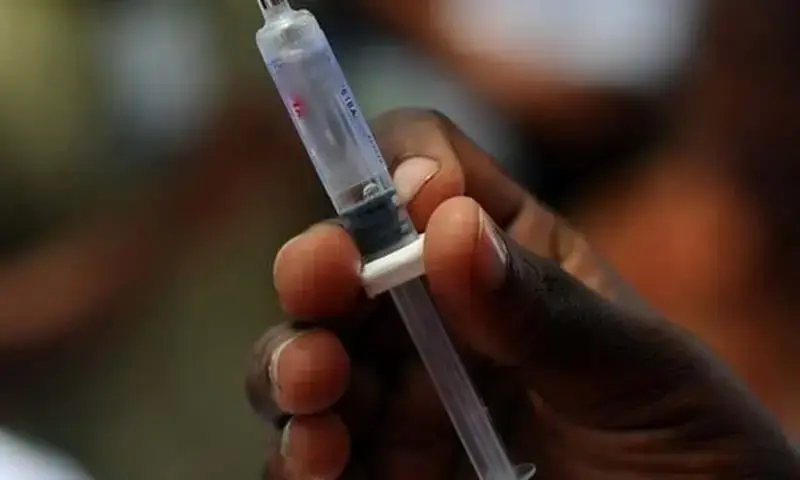
The Sindh government has committed to supporting the affected children and their families, promising justice and full medical and welfare assistance. This situation came to light partly due to a petition filed in the Sindh High Court by Advocate Tariq Mansoor, who requested an independent inquiry, case registration, lifelong medical treatment, and compensation for the children, citing alleged reuse of contaminated syringes.
This event highlights critical systemic issues in healthcare facility oversight and patient safety protocols, particularly concerning infection control and medical supply chain integrity. The significant financial allocation and disciplinary actions signal an attempt to address immediate fallout and establish accountability. However, the long-term effectiveness will depend on robust implementation of the endowment fund, ensuring transparent distribution and access to care, and on reforms that prevent recurrence. Future considerations should include enhanced regulatory frameworks for hospital hygiene, mandatory regular audits of medical practices, and strengthened whistleblower protections to encourage early reporting of potential breaches. The incident also underscores the need for proactive public health surveillance systems capable of rapidly detecting and responding to outbreaks, thereby mitigating widespread harm and fostering greater public trust in healthcare institutions.
AI-generated to prompt reflection — not editorial opinion, not advice, not a statement of fact. How this works.