Pakistan and Bangladesh Face Economic Strain Amidst Rising LNG Costs
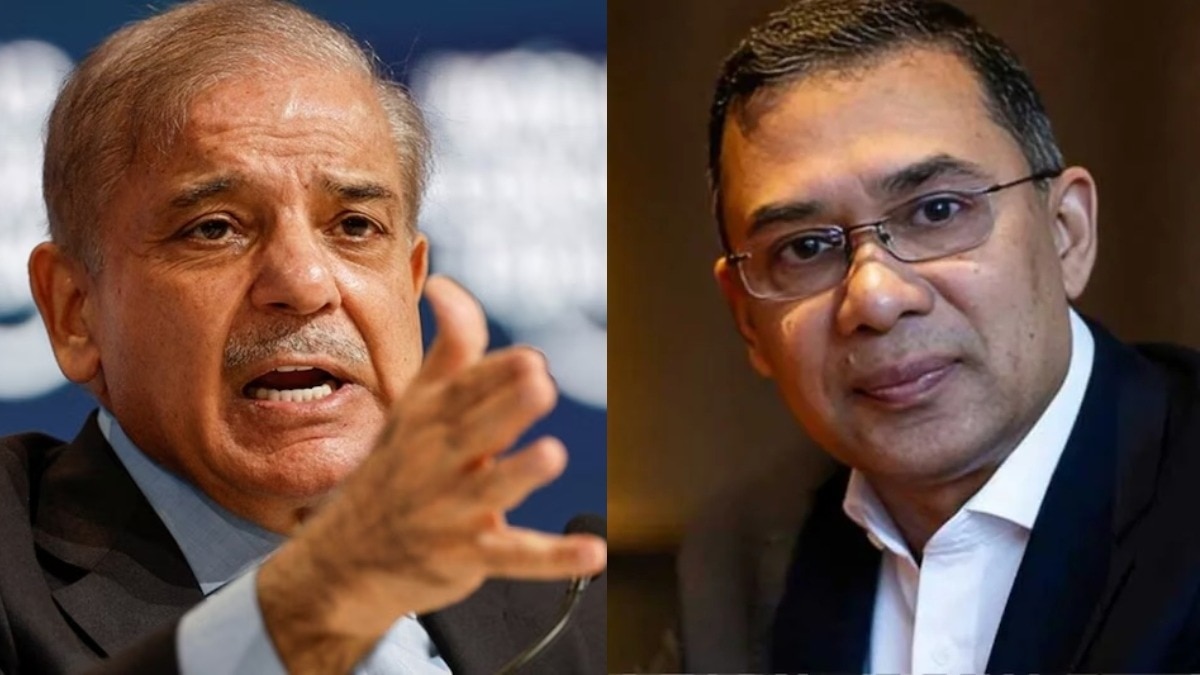
The ongoing conflict in the Middle East and the potential closure of the Strait of Hormuz have exacerbated economic difficulties for several Asian nations, including Pakistan and Bangladesh. These countries are now facing a deepening oil and gas crisis, necessitating the import of Liquefied Natural Gas (LNG) at significantly higher prices. This situation is placing a considerable financial burden on their economies, which are already struggling with existing economic pressures. The increased cost of essential energy resources like LNG directly impacts industrial production, transportation, and household energy expenses. Consequently, both Pakistan and Bangladesh are compelled to allocate a larger portion of their foreign exchange reserves to secure these vital energy imports. The long-term implications of this energy price shock could include reduced economic growth, increased inflation, and potential social unrest if energy access becomes severely limited or unaffordable for a significant portion of the population. The geopolitical instability is directly translating into economic hardship for these South Asian nations.
The current geopolitical instability in the Middle East and its impact on global energy markets present a significant challenge for import-dependent economies like Pakistan and Bangladesh. The increased cost of LNG, driven by supply chain disruptions and conflict, highlights the vulnerability of nations reliant on external energy sources. This situation underscores the strategic imperative for these countries to diversify their energy portfolios, explore domestic renewable energy potential, and enhance energy efficiency measures to mitigate future price shocks. Over the next decade, as global energy landscapes shift and demand for cleaner alternatives grows, nations that fail to adapt their energy strategies risk prolonged economic stagnation and heightened energy insecurity. The current crisis serves as a critical inflection point, urging a proactive approach to energy resilience.
AI-generated to prompt reflection — not editorial opinion, not advice, not a statement of fact. How this works.