Pakistan and Bangladesh face economic strain from US-Iran tensions
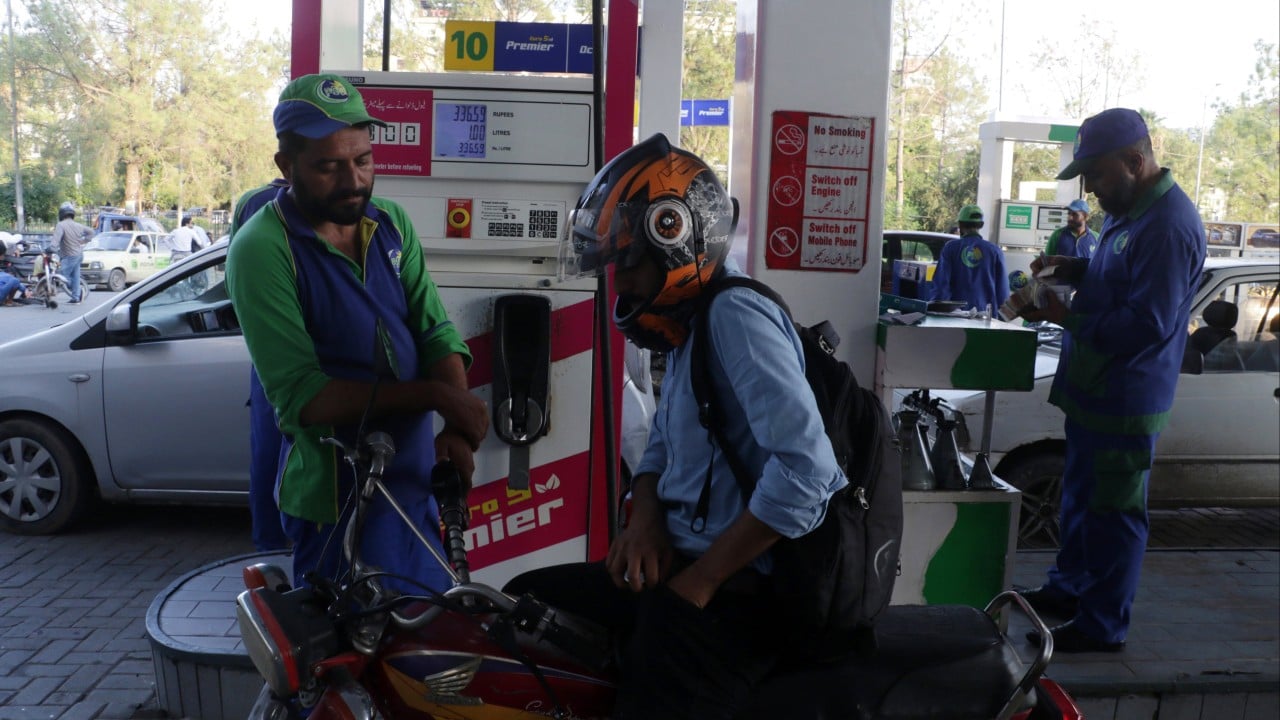
Pakistan and Bangladesh are particularly vulnerable to the economic fallout from the escalating US-Iran conflict, with analysts warning that a potential oil shock could rapidly increase costs for essential goods and services. Both nations are heavily dependent on imported fuel, making them susceptible to rising oil and diesel prices. This reliance means that any prolonged spike in global energy markets could quickly translate into higher food, transportation, and electricity expenses for millions of their citizens. Unlike some other Asian economies, Pakistan and Bangladesh have less financial buffer to absorb such shocks. The situation highlights the interconnectedness of global energy markets and the disproportionate impact on developing economies with significant import dependencies. The potential for increased inflation and economic instability in these countries is a growing concern as the geopolitical tensions persist.
The geopolitical tensions between the US and Iran create significant economic vulnerabilities for import-dependent nations like Pakistan and Bangladesh. Their reliance on imported fuel exposes them to global price volatility, potentially triggering inflationary pressures on essential goods and services. This scenario underscores the systemic risk inherent in concentrated energy supply chains and the need for strategic diversification of energy sources and robust economic stabilizers. Policymakers in these nations face the challenge of mitigating external shocks while managing domestic economic conditions, highlighting the complex interplay between international relations and national economic security in the coming decade.
AI-generated to prompt reflection — not editorial opinion, not advice, not a statement of fact. How this works.