Pakistan and China Sign $850 Million in Pharma and Healthcare Deals
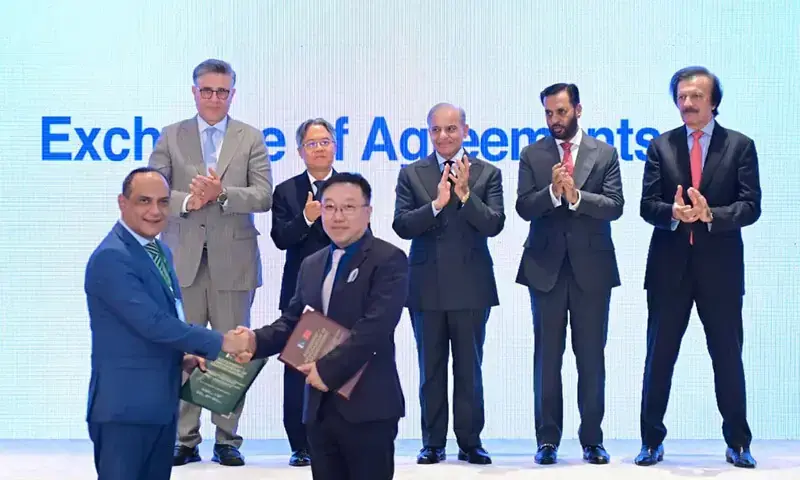
The two-day Pakistan-China Pharmaceutical and Healthcare B2B Investment Conference concluded with significant agreements totaling $850 million between Pakistani and Chinese companies. Federal Health Minister Mustafa Kamal announced that 16 contracts worth $600 million and 80 Memoranda of Understanding (MoUs) valued at $250 million were finalized. Among these, 18 deals specifically focused on herbal medicines. The conference aimed to foster cooperation in the pharmaceutical sector, create an environment for local health equipment production, and attract investment. Discussions also covered local vaccine production, a priority for Pakistan given its current import of 13 different vaccines, with projections indicating imported vaccine costs could reach $1.2 billion by 2030. Domestic production is expected to reduce import reliance and save foreign exchange. Agreements were also reached to domestically produce pharmaceutical raw materials, of which Pakistan currently imports 90%. This initiative is anticipated to lower medicine prices for the public. The conference also addressed local manufacturing of medical devices, promotion of clinical trials, and vocational training. The Drug Regulatory Authority of Pakistan has digitized over 80% of its services, streamlining medicine licensing to 20 days. Pakistan's pharmaceutical regulations have received international recognition, with WHO prequalifying local laboratories for drug testing. The event saw participation from 146 Chinese companies and over 200 Pakistani companies, marking a substantial business engagement.
This significant bilateral investment conference highlights a strategic push by Pakistan to bolster its pharmaceutical and healthcare industries through Chinese partnership. The focus on local production of medicines, raw materials, and medical equipment, alongside vaccine manufacturing, addresses critical import dependencies and aims to improve healthcare accessibility and affordability. The emphasis on digitalizing regulatory processes and achieving international recognition for quality standards signals a commitment to modernizing the sector. Future success will likely hinge on sustained policy support, effective technology transfer, and robust quality control to ensure these agreements translate into tangible benefits for Pakistan's public health and economy, while navigating global supply chain dynamics and intellectual property considerations.
AI-generated to prompt reflection — not editorial opinion, not advice, not a statement of fact. How this works.