Pakistan Approves 4-Year Haj Policy, Boosts Railway Revenue, and Tackles Terrorism
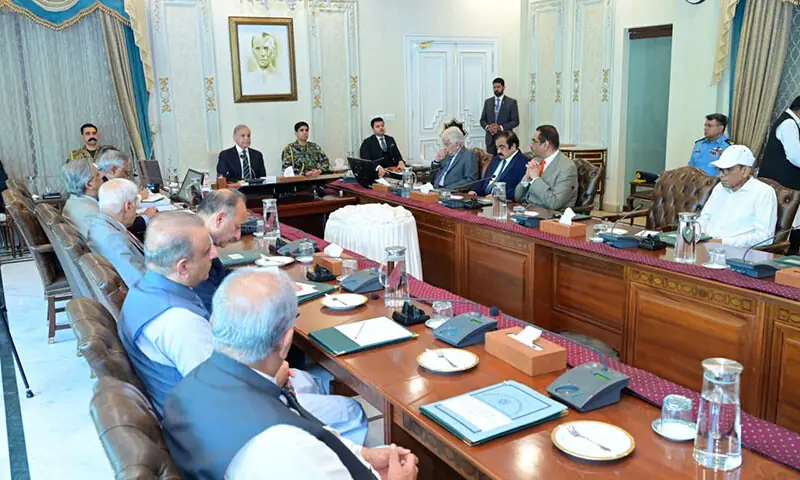
The federal cabinet in Pakistan has approved a new, comprehensive Haj Policy for 2027–2030, marking a shift from previous one-year plans to a four-year framework designed to enhance pilgrim services and operational efficiency. This long-term strategy aims to streamline preparations and improve the pilgrimage experience. Key changes include allowing pilgrims to register at any time until 2030, eliminating the need for annual registration, and establishing a Shariah-compliant savings scheme for future pilgrimages. The entire Haj management system will be digitized, incorporating digital payments, complaint handling, and monitoring. Separate quotas for government and private schemes, along with provisions for training, insurance, and emergency services, are also included. The cabinet also approved the outsourcing of the Isolation Hospital and Infectious Treatment Centre and the Regional Blood Centre in Islamabad to ensure quality healthcare. In a separate briefing, Railways Minister Hanif Abbasi reported a significant increase in Pakistan Railways' revenue, rising from Rs95 billion in FY 2024–25 to over Rs115 billion in FY 2025–26, a 24.1% jump. This growth was driven by increases in freight, property, land, and passenger revenue, alongside improved operational efficiency. Prime Minister Shehbaz Sharif reiterated the government's commitment to eradicating terrorism, commending security forces for their efforts, including recent operations in Balochistan. He also paid tribute to Group Captain Asim Tariq, who was killed intervening in an assault, and assured justice for the accused. The Prime Minister also highlighted his recent visit to Turkiye, where discussions focused on privatization, renewable energy, and investment opportunities, expressing confidence in strengthening bilateral economic ties and cooperation.
The Pakistani cabinet's approval of a multi-year Haj policy signals a strategic shift towards long-term planning and digitization, aiming to improve service delivery and pilgrim experience. This move reflects a broader trend of leveraging technology for efficiency in public services. The reported revenue growth in Pakistan Railways, attributed to increased freight and passenger activity, suggests potential improvements in operational management and economic recovery. However, sustained growth will depend on continued investment and effective maintenance of infrastructure. The government's strong stance on combating terrorism, coupled with efforts to attract foreign investment through international engagements like the visit to Turkiye, indicates a dual focus on internal security and economic development. The success of these initiatives will be contingent on consistent policy implementation, transparent governance, and stable geopolitical conditions, particularly in attracting and retaining foreign direct investment in key sectors.
AI-generated to prompt reflection — not editorial opinion, not advice, not a statement of fact. How this works.