Pakistan Approves $6 Billion Oil Refining Policy to Modernize Facilities
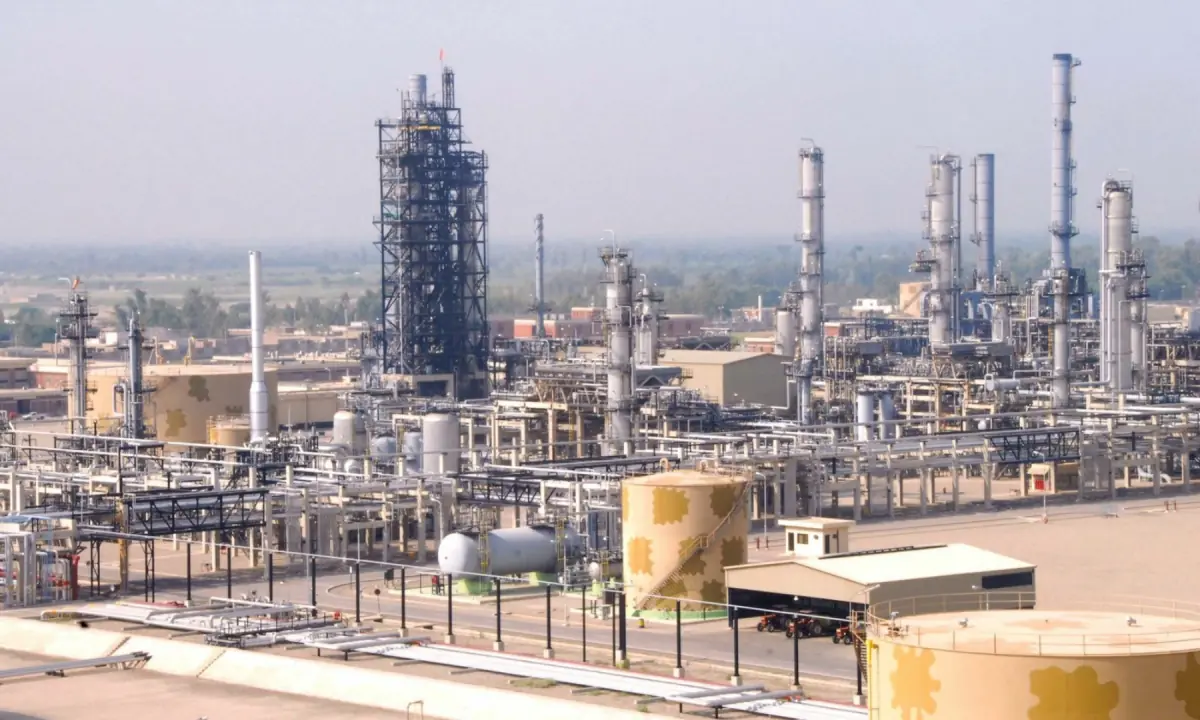
Pakistan's government has approved the "Brownfield Refining Policy" after a six-year deadlock, aiming to modernize the nation's petroleum refineries with an estimated $6 billion investment. The policy, greenlit by the Cabinet Committee on Energy (CCoE) led by Prime Minister Shehbaz Sharif, offers investment stability, tax incentives, and foreign exchange provisions for machinery imports. It also enhances energy security through increased offshore and onshore storage. This new policy supersedes all previous refining strategies and mandates that the five existing refineries upgrade their facilities to improve product quality, quantity, and mix, significantly reducing furnace oil production while increasing motor spirit (petrol) and high-speed diesel (HSD). Specifically, petrol production is projected to rise by 72% to 18,400 tonnes per day, HSD by 39% to 29,520 tonnes per day, and furnace oil is expected to drop by 63% to 5,714 tonnes per day. A key requirement is the production of environmentally friendly fuels compliant with Euro-V emission specifications, which limits sulfur content to 10 parts per million (ppm) for gasoline and diesel. Refineries committing to these upgrades will receive incentives, with equipment and technology choices determined on a project-by-project basis. The policy also establishes binding agreements between refineries and oil marketing companies (OMCs) for the sale and purchase of major products to ensure a smooth supply chain, and allows for the export of surplus products with regulatory approval. Refineries must also maintain a minimum of 14 days of crude oil inventory on-site, with an additional five days of cover at sea for those relying on imports. To be eligible for fiscal incentives, refineries must sign an Upgrade Agreement with the Oil and Gas Regulatory Authority (Ogra) within 90 days of the policy's notification, outlining project milestones and deliverables. The policy includes provisions for tariff protection, deemed duties, and exemptions on sales tax for imported equipment, alongside mechanisms for reimbursement of disallowed sales tax through the Inland Freight Equalisation Margin (IFEM) pool. Defaulting refineries on government dues will be ineligible for benefits until settlements are reached, with incremental incentives deposited into IFEM during the interim. Funds from a joint escrow account, managed with Ogra, can only be used for approved Upgrade Projects after outstanding government dues are settled.
The "Brownfield Refining Policy" represents a significant governmental intervention aimed at modernizing Pakistan's downstream petroleum sector, addressing long-standing issues of product quality and energy security. By offering fiscal incentives, stability clauses, and a clear regulatory framework, the policy seeks to attract substantial private investment, estimated at $6 billion, to upgrade existing facilities. The emphasis on Euro-V compliance signals a move towards environmental standards, aligning with global trends, though the economic trade-offs and the long-term sustainability of the incentive structure warrant careful observation. The policy's success will hinge on effective implementation, transparent management of escrow accounts, and the ability to balance domestic demand with potential export opportunities, all within the evolving landscape of energy transition and technological advancements.
AI-generated to prompt reflection — not editorial opinion, not advice, not a statement of fact. How this works.