Pakistan Army Criticizes Afghan Taliban's Ties with India
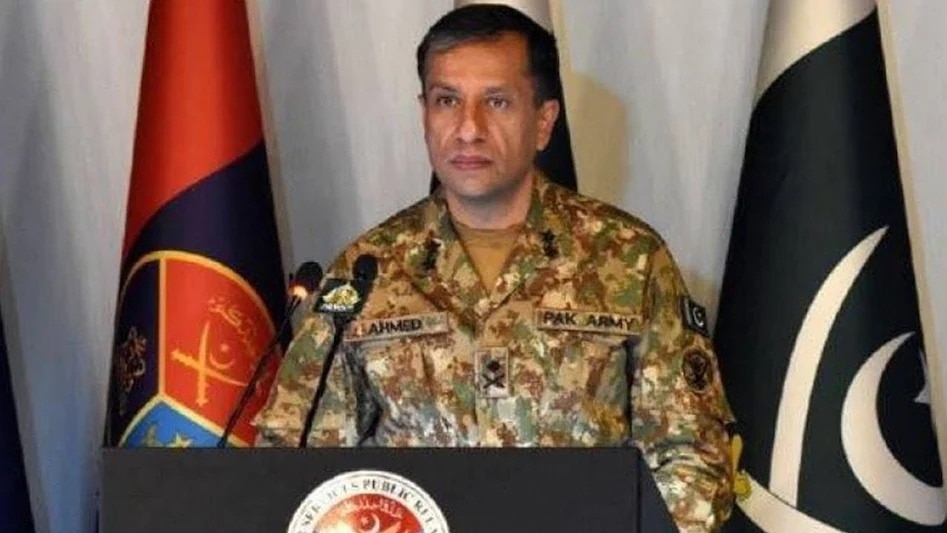
Pakistan's Director General of the Inter-Services Public Relations (DG ISPR) has once again targeted the relationship between India and the Afghan Taliban. During a press conference by the Pakistani army in Rawalpindi, the DG ISPR stated that a Muslim should not befriend a non-believer. He specifically directed criticism towards the Taliban and India's BJP-RSS, asserting that the relationship between the Taliban and India is akin to that of a 'master and slave'. This statement reflects ongoing geopolitical tensions and Pakistan's concerns regarding regional alliances.
The DG ISPR's rhetoric employs religious framing to characterize a geopolitical relationship, potentially aiming to influence regional perceptions and alliances. By invoking the concept of 'kafir' (non-believer), the statement may seek to foster a narrative of religious solidarity among certain groups while simultaneously creating division. This approach highlights the strategic use of identity politics in international relations, where appeals to shared faith can be leveraged to delegitimize partnerships with perceived adversaries. The 'master and slave' analogy further suggests an attempt to portray the Taliban as subservient to Indian interests, possibly to undermine their autonomy or legitimacy in the eyes of regional actors and their own populace. Such framing can complicate diplomatic efforts and foster mistrust, contributing to a less stable regional environment.
AI-generated to prompt reflection — not editorial opinion, not advice, not a statement of fact. How this works.