Pakistan Army to Receive 100% Local Wheat Starting 2026-27 Crop
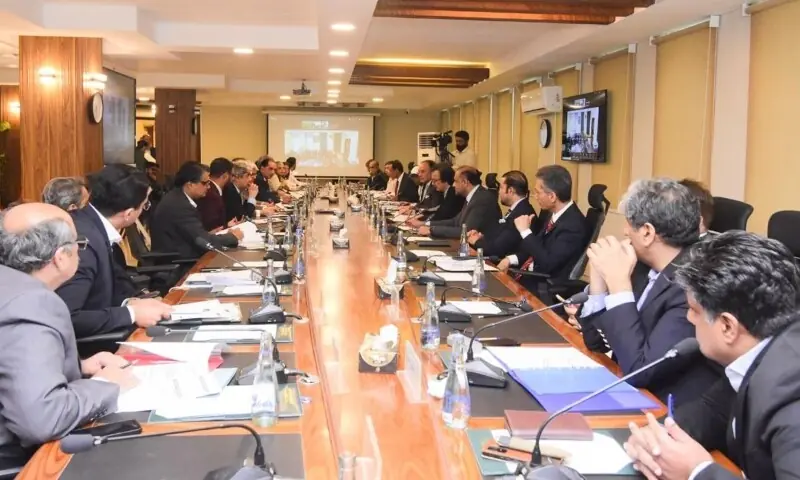
The Economic Coordination Committee (ECC) of Pakistan's cabinet has approved the allocation of 175,000 tonnes of 100% indigenous wheat to the Pakistan Army, sourced exclusively from the 2026-27 crop. This decision follows complaints from troops regarding the quality, taste, and appearance of chappati made from imported wheat, which had been supplied on a 50:50 basis with local wheat for the past four years. The military's finance wing estimates this shift to local sourcing will save approximately Rs2.8 billion in expenditure on imported wheat. The ECC also formally defined 'forced labour' in accordance with the International Labour Organisation's (ILO) 1930 convention, aiming to strengthen Pakistan's import regulations and international labor commitments. This definition excludes compulsory military service and essential civic duties. Additionally, the committee sanctioned the auction of 8,198 tonnes of flood-damaged wheat from the Pakistan Agricultural Storage and Services Corporation (Passco) through competitive bidding to mitigate financial losses. A severance package totaling Rs4.188 billion was approved for Passco employees as part of the corporation's winding-up process, mirroring a similar package provided to the Utility Stores Corporation. The ECC also reviewed a financial sustainability and governance plan for Quaid-i-Azam University, Islamabad.
This decision by Pakistan's ECC reflects a strategic prioritization of domestic agricultural resources for national security and troop welfare, potentially driven by concerns over supply chain reliability and the perceived quality of imported goods. The move to exclusively source wheat locally for the army, starting in 2026-27, suggests a long-term strategy to bolster domestic production and reduce reliance on foreign imports, while also addressing troop morale. The concurrent adoption of the ILO's definition of forced labor indicates Pakistan's ongoing efforts to align its trade and labor policies with international standards, likely to enhance its trade governance framework and international standing. The financial restructuring of Passco, including severance packages and the disposal of damaged stock, signals a move towards greater efficiency and fiscal responsibility in state-owned agricultural storage and services. The interplay between food security, national defense, international trade compliance, and public sector reform highlights complex governance challenges and opportunities for systemic improvement.
AI-generated to prompt reflection — not editorial opinion, not advice, not a statement of fact. How this works.