Pakistan Backs Saudi Arabia at UNSC, Condemns Houthi Attacks
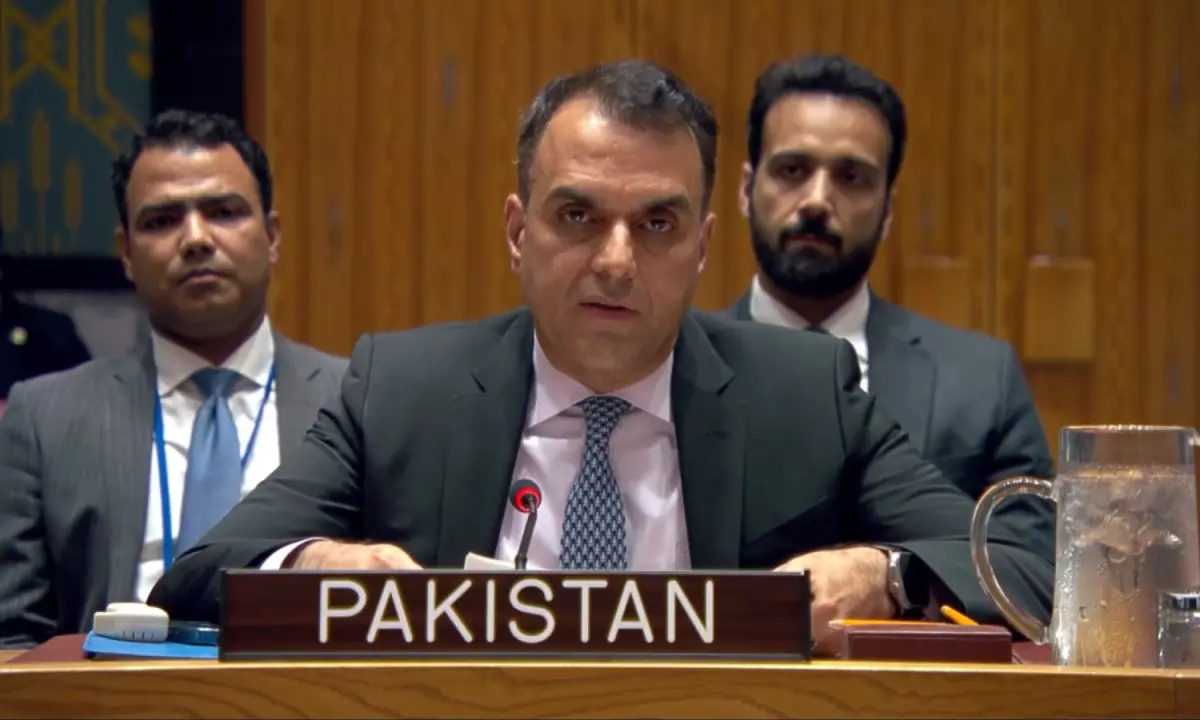
Pakistan has expressed strong solidarity with Saudi Arabia at an emergency UN Security Council briefing, condemning recent Houthi attacks and reaffirming its support for the kingdom's security and territorial integrity. Ambassador Usman Jadoon, Pakistan's deputy permanent representative to the UN, stated that any attack on Saudi Arabia would be treated as an act of aggression, referencing a 2025 "Strategic Mutual Defence Agreement" between the two nations. Pakistan also reiterated its commitment to Yemen's sovereignty, independence, and territorial integrity, calling for a peaceful resolution through dialogue and diplomacy. The statement emphasized the need for an inclusive, Yemeni-led political process facilitated by the UN to achieve lasting peace. Ambassador Jadoon highlighted the humanitarian crisis in Yemen, urging de-escalation and caution against actions that could worsen civilian suffering. Additionally, Pakistan condemned the Houthis' detention of UN personnel and seizure of UN premises, calling for the immediate release of all detained individuals and respect for international privileges and immunities. The briefing followed an incident where the Yemeni government attacked an airport in Sanaa, and Saudi Arabia intercepted ballistic missiles fired by Houthis.
Pakistan's stance at the UN Security Council reflects a long-standing strategic alignment with Saudi Arabia, rooted in mutual defense agreements and regional diplomatic considerations. By condemning Houthi attacks and emphasizing dialogue, Pakistan navigates the complex geopolitical landscape of the Middle East, balancing its support for Saudi security with a call for de-escalation and a political settlement in Yemen. This approach seeks to mitigate regional instability while upholding international norms regarding sovereignty and territorial integrity. The situation underscores the persistent challenges in achieving lasting peace in Yemen, where external interventions and internal conflicts continue to exacerbate a severe humanitarian crisis. Future stability will likely depend on the effectiveness of UN-facilitated political processes and the willingness of all parties, including regional powers, to prioritize de-escalation and inclusive governance.
AI-generated to prompt reflection — not editorial opinion, not advice, not a statement of fact. How this works.