Pakistan Boasts of Remittances, But Figures Reveal Economic Woes
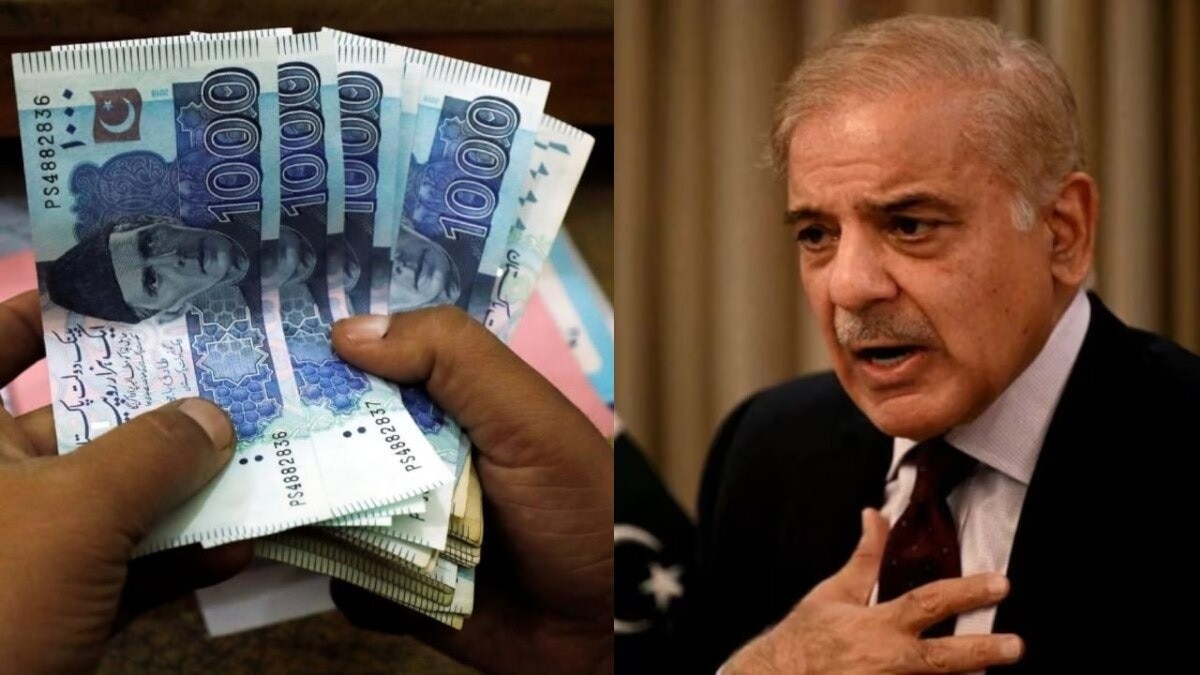
The Pakistani government is celebrating its remittance inflows, particularly the figure of $41.6 billion. However, a closer look at these numbers suggests they are not a sign of national pride but rather an indicator of the country's economic vulnerability and the shortcomings of its policies. The substantial amount of money sent home by overseas Pakistanis highlights a dependence on external financial support rather than robust domestic economic growth. This reliance can mask underlying structural issues within Pakistan's economy, such as low productivity, insufficient investment, and a challenging business environment. The government's focus on remittance figures may be diverting attention from the urgent need to implement reforms that foster sustainable economic development and reduce reliance on foreign exchange from workers abroad. The current economic situation points to a need for a strategic re-evaluation of fiscal and monetary policies to build a more resilient and self-sufficient economy.
The reported remittance figures for Pakistan, while presented as a success, underscore a critical economic dependency. This reliance on external funds, particularly from overseas workers, indicates a potential lack of robust domestic job creation and investment opportunities. While remittances provide a vital source of foreign exchange, they can also mask deeper systemic issues such as low productivity and an unfavorable business climate. Future economic strategy should focus on fostering sustainable growth through structural reforms, encouraging domestic investment, and enhancing the ease of doing business to build a more resilient economy less susceptible to external economic shocks or fluctuations in global labor markets.
AI-generated to prompt reflection — not editorial opinion, not advice, not a statement of fact. How this works.