Pakistan braces for heavy rainfall and potential flooding across multiple provinces
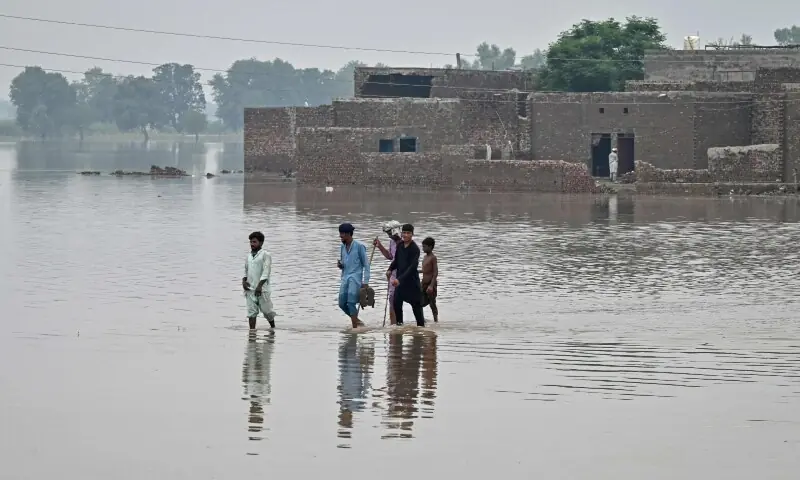
The Flood Forecasting Division (FFD) of Pakistan's Meteorological Department has issued a forecast for heavy to very heavy rainfall across significant portions of Punjab, Sindh, and Balochistan, expected to persist until August 4th. This weather system, driven by a low-pressure system over Rajasthan, India, and strong monsoon currents, is anticipated to cause widespread wet conditions, particularly in central and eastern Punjab. The FFD predicts a substantial increase in water levels in the eastern rivers—Sutlej, Ravi, and Beas—and their tributaries. While the Indus River is currently experiencing low-level flooding at Kalabagh and Chashma, the Chenab River is projected to rise to low-to-medium flood levels at Head Marala, Khanki, and Qadirabad, with a possibility of reaching high flood levels at Head Marala under exceptionally high inflows. The FFD has also warned of potential flash flooding in hill torrents of Dera Ghazi Khan, streams in Khyber Pakhtunkhwa and northern Balochistan, and other vulnerable areas. Urban flooding is a concern for numerous cities in Punjab, including Rawalpindi, Lahore, and Faisalabad. The Provincial Disaster Management Authority (PDMA) is actively monitoring river flows, dams, and barrages and has advised citizens to take safety precautions, especially keeping children away from water bodies and low-lying areas.
The forecast highlights Pakistan's vulnerability to monsoon-related extreme weather events, driven by complex meteorological interactions. The potential for widespread flooding across key agricultural and population centers underscores the critical need for robust, long-term infrastructure resilience and adaptive water management strategies. As climate patterns evolve, such events may become more frequent and intense, necessitating proactive planning that integrates early warning systems with effective evacuation and relief mechanisms. The focus on specific river systems and urban areas points to the localized impacts that require tailored mitigation efforts, balancing immediate safety concerns with sustainable development goals for the next decade.
AI-generated to prompt reflection — not editorial opinion, not advice, not a statement of fact. How this works.