Pakistan braces for more monsoon rains, potential floods and landslides
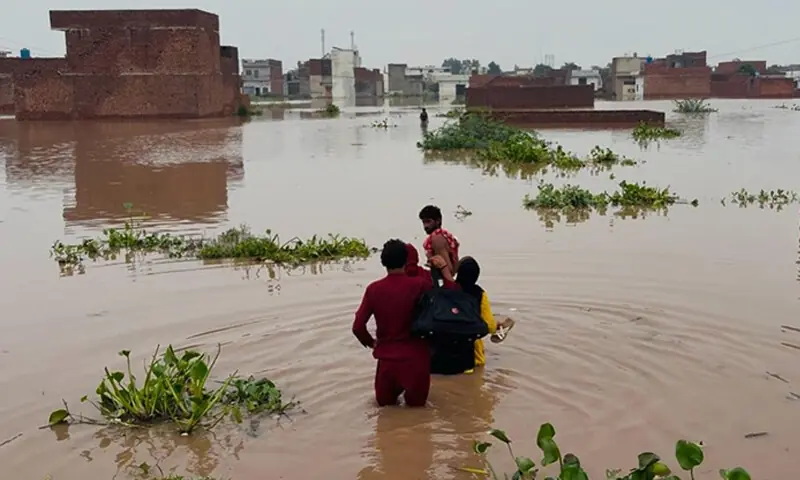
Pakistan's Meteorological Department (PMD) has forecast another spell of heavy monsoon rains across the country from July 29 to August 5, warning of potential flash floods and landslides. The Indus River is expected to reach a medium-level flood at Guddu Barrage within 24 hours, while eastern rivers may see increased flow due to rainfall in their catchment areas. This new spell could cause flash floods in hilly regions and inundate urban centers, prompting Prime Minister Shehbaz Sharif to chair a meeting on preparedness. The PMD anticipates heavy rains in nearly all parts of the country, with specific warnings for urban flooding in low-lying areas of major cities like Islamabad, Rawalpindi, Lahore, and Peshawar, as well as in several districts of Sindh. Landslides are also a risk in northern and western regions, including parts of Khyber Pakhtunkhwa, Gilgit-Baltistan, and Balochistan. Rescue efforts are ongoing in areas like Lahore's outskirts, where villages remain submerged from previous rains. The ongoing monsoon season has already resulted in 110 deaths, 360 injuries, and damage to 796 houses, with 376 livestock lost. Prime Minister Sharif has directed the National Disaster Management Authority (NDMA) and provincial authorities to maintain coordination and prepare for emergencies, emphasizing the government's commitment to implementing short-, medium-, and long-term measures to address climate change impacts.
The recurring monsoon events highlight Pakistan's vulnerability to extreme weather, exacerbated by climate change. While immediate disaster response is crucial, the situation underscores the need for robust, long-term infrastructure planning and climate adaptation strategies. The government's stated commitment to addressing climate change impacts is a positive step, but effective implementation and investment in resilient systems will be key to mitigating future losses. Examining the efficacy of rainwater harvesting initiatives and urban planning in flood-prone areas will be critical in the coming decade as climate volatility intensifies.
AI-generated to prompt reflection — not editorial opinion, not advice, not a statement of fact. How this works.