Pakistan Braces for Weekend Rain, Windstorms, and Thunderstorms Across Multiple Regions
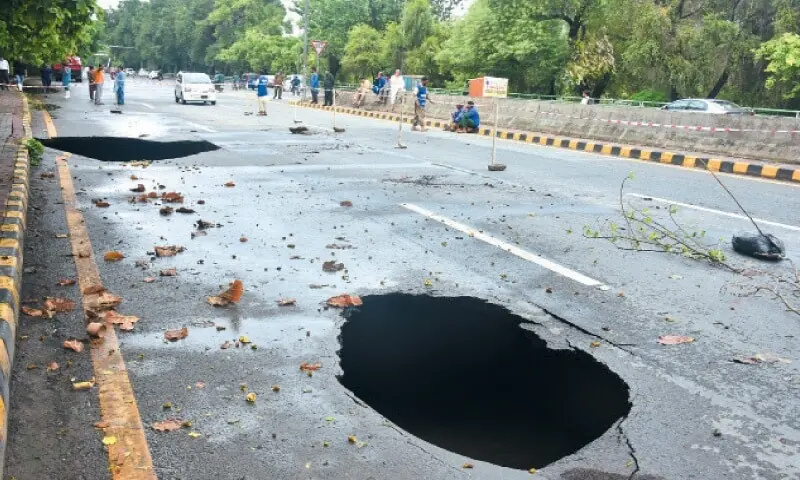
The Pakistan Meteorological Department (PMD) has issued a forecast for widespread rain, windstorms, and thunderstorms across the upper regions of the country over the weekend of July 10-13. Moist currents from the Arabian Sea, strengthening on Saturday, July 11, combined with an approaching westerly wave, are expected to bring these conditions. Specific areas including Neelum Valley, Muzaffarabad, and various districts in Khyber Pakhtunkhwa (KP) and Gilgit-Baltistan (GB) are predicted to experience rain, windstorms, and thundershowers, with isolated heavy rainfall. Cities like Islamabad, Rawalpindi, Lahore, and Faisalabad are also anticipating scattered rain and windstorms, particularly from Saturday night into Sunday. Some southern districts of Punjab and Balochistan may see isolated rain, while Sindh is expected to remain mostly hot and humid, with exceptions for a few districts forecasting isolated rain. The PMD has cautioned authorities to remain vigilant for potential damage to weak structures from windstorms and lightning, and warned of landslides in vulnerable upper regions. Increased water flow in local streams and hill torrents is also anticipated. Localized urban flooding is a risk in major cities like Islamabad, Rawalpindi, Peshawar, Gujranwala, Lahore, and Faisalabad. Tourists and travelers are advised to exercise caution, and farmers are urged to manage crops and livestock accordingly. The forecast suggests a potential end to the prevailing hot and humid conditions.
This forecast highlights the dynamic interplay of atmospheric systems influencing Pakistan's weather, specifically the convergence of oceanic moisture and westerly disturbances. The prediction of localized urban flooding and potential landslides underscores the vulnerability of infrastructure and communities to extreme weather events, particularly in densely populated areas and mountainous terrain. As climate patterns evolve, such forecasts are crucial for disaster preparedness, prompting a need for robust infrastructure planning and early warning systems. The advisory to farmers and tourists reflects the broader economic and social impacts of weather variability, emphasizing the importance of adaptive strategies in agriculture and tourism sectors. The potential for these events to subside prevailing hot conditions suggests a temporary relief from heat stress but also signals the broader shifts in weather patterns that may characterize the region in the coming decade.
AI-generated to prompt reflection — not editorial opinion, not advice, not a statement of fact. How this works.