Pakistan braces for widespread monsoon rains and thunderstorms until July 25
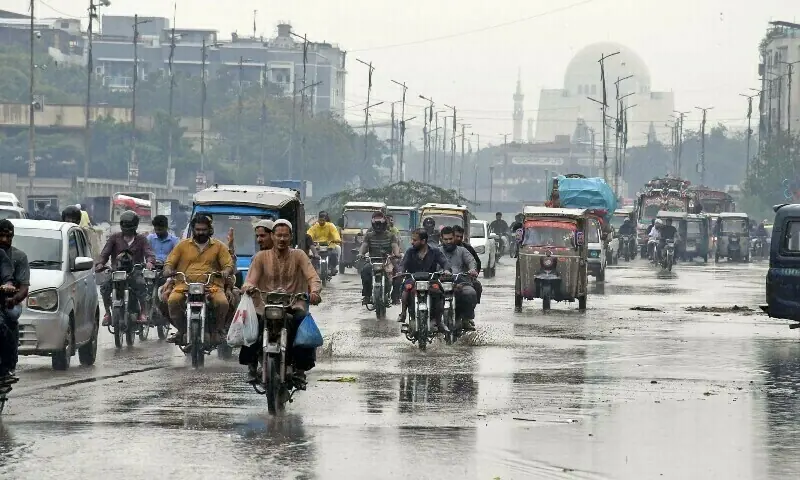
The Pakistan Meteorological Department (PMD) has forecast widespread monsoon rains, windstorms, and thunderstorms across multiple regions of Pakistan from July 18 to July 25. Strong monsoon currents from the Arabian Sea are penetrating the country's upper and central areas and are expected to intensify over the weekend. A westerly disturbance is also anticipated to approach the northern regions by Monday, July 20. These weather systems will bring scattered heavy to very heavy rainfall, accompanied by windstorms and thundershowers, to areas including Neelum Valley, Muzaffarabad, Khyber Pakhtunkhwa, Punjab, and Gilgit-Baltistan. Specific dates for these forecasts vary slightly by region, with some areas expecting activity until July 23 and others until July 25. While most of Sindh is predicted to remain hot and humid, isolated rain and thunderstorms are possible in its northeastern districts. The PMD has issued warnings about potential damage to weak structures from strong winds and lightning, and the risk of flash floods in upper Khyber Pakhtunkhwa and Gilgit-Baltistan, as well as urban flooding in low-lying areas of major cities like Islamabad, Lahore, and Faisalabad. Authorities are advised to remain vigilant, and tourists are cautioned against unnecessary travel to vulnerable areas. Farmers are encouraged to plan their activities accordingly.
This forecast highlights Pakistan's vulnerability to the monsoon season's amplified impacts, exacerbated by climate change. The PMD's detailed regional predictions and warnings about flash and urban flooding underscore the critical need for robust infrastructure and disaster preparedness. The potential damage to electric poles and solar panels points to systemic weaknesses in utility and renewable energy infrastructure, requiring forward-looking investment in resilience. As the nation navigates these recurring weather events, a long-term strategy focusing on climate-resilient urban planning and agricultural adaptation will be paramount to mitigating future economic and social disruptions.
AI-generated to prompt reflection — not editorial opinion, not advice, not a statement of fact. How this works.