Pakistan Central Bank Caps Bank Fees on Digital Fuel Purchases to Aid Stations
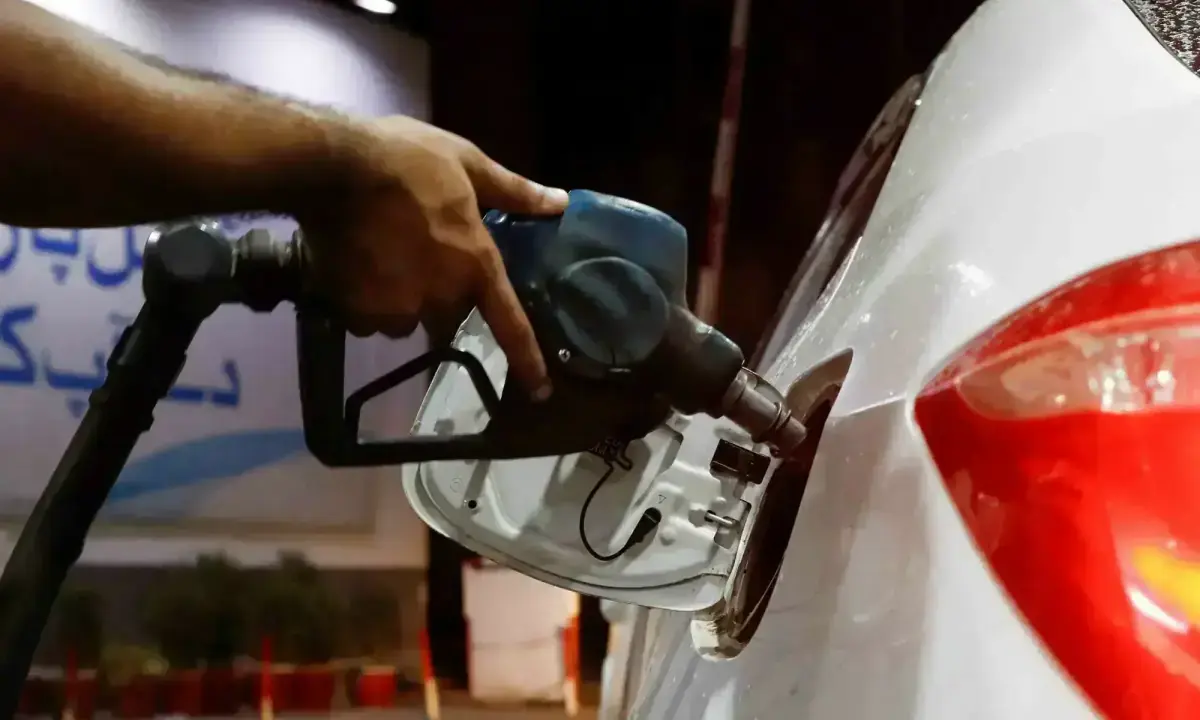
The State Bank of Pakistan (SBP) has implemented new regulations to cap bank charges on digital transactions for petroleum products, aiming to alleviate financial pressure on fuel stations and encourage digital payment adoption. Under the revised policy, merchant discount rates (MDR) for card-based fuel purchases are capped at a maximum of Re1 per litre. Additionally, charges for online transactions via QR codes and the Raast payment system are limited to 20 paisas per litre. Previously, these fees varied significantly between banks, ranging from 0.7% to 1.5%, equating to approximately Rs3-4 per litre. This was considered excessively high by dealers, especially when compared to their fixed commission of Rs8.64 per litre, which is further reduced by a 12% withholding tax and other operational costs. Hassan Shah, spokesperson for the All Pakistan Petroleum Dealers Association (APPDA), noted that these high charges, coupled with the daily pricing mechanism leading to price volatility and losses, had pushed some dealers towards dishonest practices. The SBP's decision, effective until January 31, 2027, aims to facilitate digital payment acceptance and promote Raast QR code usage. The central bank will reassess these rates based on market response. While the APPDA cautiously welcomed the move as a positive step, they argued that even the capped rates remain higher than economically justified, considering the operational costs of modern POS terminals. They advocate for even lower transaction costs, particularly for essential commodities like fuel, to further incentivize digital payment adoption by both consumers and merchants.
The State Bank of Pakistan's intervention to cap digital transaction fees for petroleum products addresses a critical operational challenge faced by fuel station operators, directly impacting their thin profit margins. By reducing the burden of merchant discount rates, the SBP aims to foster greater adoption of digital payments, aligning with broader national goals of financial inclusion and modernization. However, the association's feedback suggests a potential disconnect between the regulated rates and the actual cost-benefit analysis for merchants, highlighting the complex interplay between regulatory policy, technological infrastructure costs, and the economic realities of essential service providers. Future policy considerations might explore tiered fee structures or direct subsidies for digital payment infrastructure to more effectively balance consumer convenience, merchant viability, and the acceleration of digital economies in the coming decade.
AI-generated to prompt reflection — not editorial opinion, not advice, not a statement of fact. How this works.
