Pakistan Considers Fuel Austerity Amidst Rising Oil Prices and Reserve Concerns
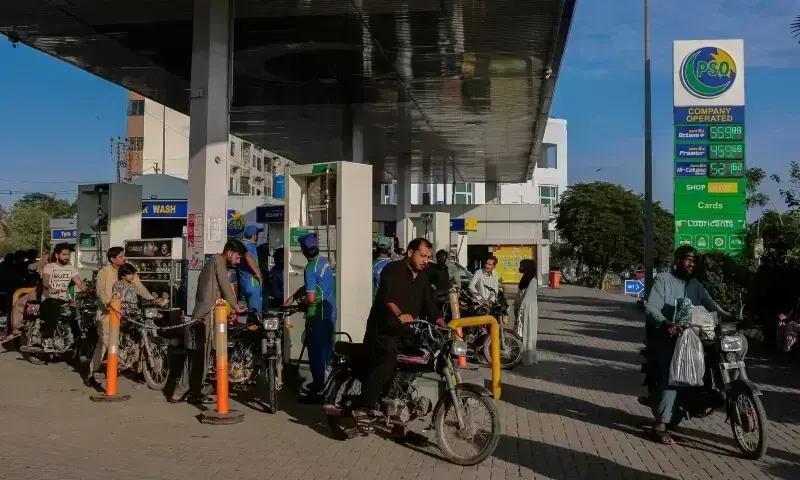
The Pakistani government is contemplating the reintroduction of fuel conservation and austerity measures as early as this week or next, driven by escalating oil prices due to renewed Middle East hostilities and pressure on foreign exchange reserves. These potential measures aim to preserve at least three months of import cover for the nation's foreign exchange. Concurrently, the government plans to revise petrol and high-speed diesel prices only on working days, from Monday to Friday, rather than daily. This means prices set on Friday will remain in effect through the weekend and Monday. The Oil and Gas Regulatory Authority (Ogra) will continue to calculate price changes and publish its working details on its website, a practice that had been discontinued for about 15 years. However, the government will retain control over key elements of fuel pricing, including petroleum levy, climate levy, customs duty, deemed duty, and profit margins for oil companies and dealers. The notion of full deregulation is not currently being pursued, as the government continues to manage fuel requirements and set various duties and levies. The current government-imposed taxes and margins amount to approximately Rs110 per litre on petrol and Rs96 per litre on diesel. The government is also engaging with international investors to establish oil storage facilities along Pakistan's coast. The potential return to austerity measures mirrors those implemented in March, which included a four-day work week, reduced office attendance, and limitations on official vehicle usage, and were previously lifted in June when oil markets stabilized.
The Pakistani government's consideration of fuel conservation measures and revised pricing schedules reflects a strategic response to global energy market volatility and domestic foreign exchange pressures. By centralizing control over levies and margins while adjusting the frequency of price revisions, the government aims to balance fiscal stability with market signaling. This approach, however, presents a tension between the stated goal of deregulation and the continued exercise of significant governmental control over the petroleum sector. Looking ahead, the interplay between geopolitical events, commodity prices, and Pakistan's foreign exchange reserves will likely necessitate ongoing adaptive policy-making. The long-term sustainability of such measures hinges on broader economic reforms that can enhance domestic production, diversify energy sources, and strengthen the national currency, thereby reducing vulnerability to external shocks.
AI-generated to prompt reflection — not editorial opinion, not advice, not a statement of fact. How this works.