Pakistan Considers Targeted Fuel Subsidies Amid Gulf Tensions
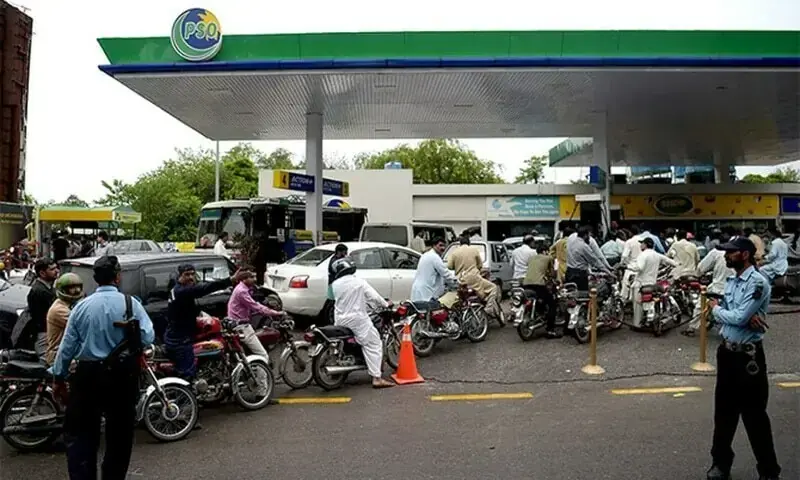
Pakistan's government is considering the reintroduction of targeted fuel subsidies, potentially within days, if Middle East tensions escalate. Petroleum Minister Ali Pervaiz Malik stated that such a measure would shield consumers from price shocks, recalling a previous Rs130 billion subsidy initiative. He emphasized that the government understands the public's difficulties and is working with provincial governments to implement the targeted subsidy. The minister linked relief to the resolution of the US-Iran conflict and a subsequent drop in global oil prices, noting that Prime Minister Shehbaz Sharif and Chief of Army Staff Field Marshal Asim Munir are actively involved in these diplomatic efforts. Despite being under an International Monetary Fund (IMF) program with limited financial resources, Pakistan must recover legitimate fuel costs from consumers to avoid artificially controlled prices, Malik explained. He defended the new daily petroleum pricing mechanism as transparent and designed to gradually transfer international price impacts, thereby preventing the severe shocks associated with weekly or fortnightly adjustments. The Oil and Gas Regulatory Authority (Ogra) is reportedly publishing its transparent workings online. However, a Senate panel expressed mixed reactions, with some senators appreciating the daily pricing system and others likening it to "slow poison." The committee raised concerns about high taxes on petroleum products and directed Ogra to address the operational difficulties faced by petroleum dealers due to frequent price revisions. A government committee, also reviewing the pricing mechanism, reportedly appreciated the daily formula for enhancing transparency and reducing volatility. Further discussions are planned regarding digitizing the petroleum supply chain, a moratorium on new oil marketing companies, the inland freight equalization margin, and windfall taxes, with a comprehensive reform roadmap for the petroleum sector anticipated.
The Pakistani government's contemplation of reintroducing targeted fuel subsidies, contingent on escalating Middle East tensions, highlights a persistent tension between fiscal discipline and public welfare. While the daily pricing mechanism is presented as a transparent method to mitigate international price volatility, its implementation has generated mixed public and senatorial reception, underscoring the challenge of balancing market-driven pricing with consumer affordability. The government's reliance on external factors like the resolution of geopolitical conflicts for domestic price stabilization reveals systemic vulnerabilities. Looking ahead, Pakistan's energy sector reforms will likely continue to grapple with the imperative of attracting investment and ensuring competition against the backdrop of a fragile economy and the global energy transition, necessitating innovative approaches to subsidy management and price regulation.
AI-generated to prompt reflection — not editorial opinion, not advice, not a statement of fact. How this works.