Pakistan Continues Operation Shaban in Balochistan, Killing 3 More Terrorists
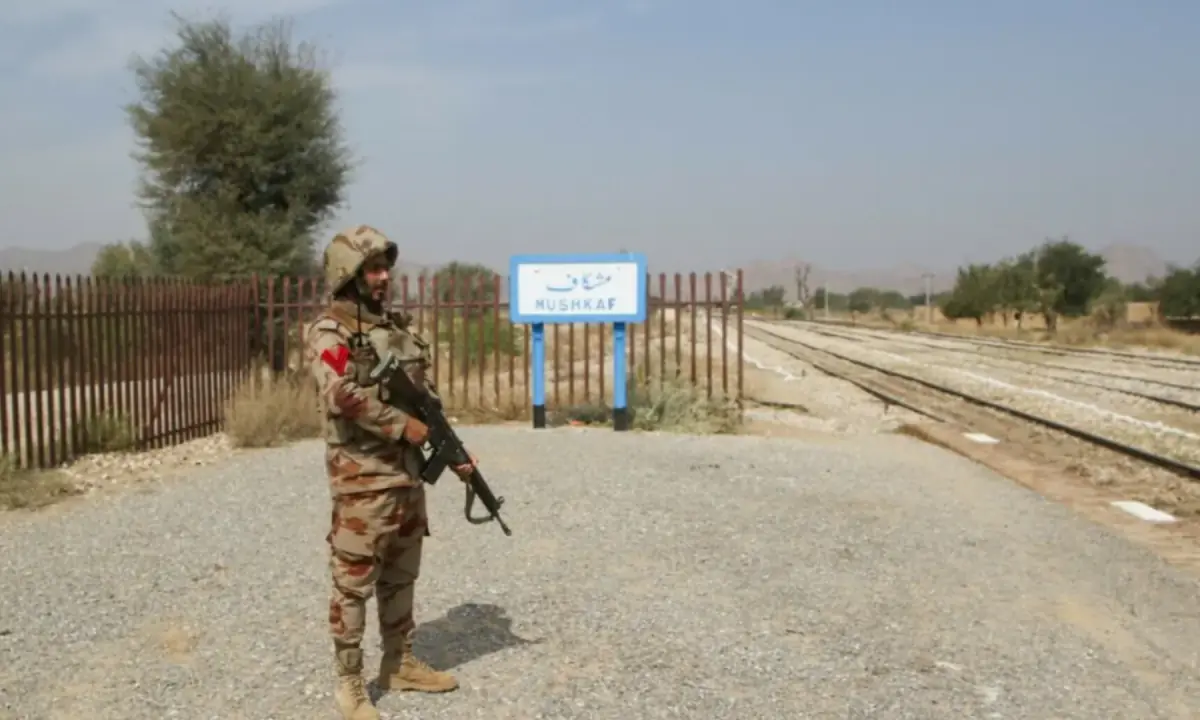
Security forces in Pakistan have killed three additional terrorists as part of Operation Shaban, which is ongoing in Balochistan. State media reported on Wednesday that these latest casualties bring the total number of terrorists killed in Operation Shaban to 88. Since July 5, a total of 126 terrorists have been eliminated in Operation Shaban and other intelligence-led operations across the province. Operation Shaban was initiated in response to a lethal attack on a police post at the Mangi Dam pumping station in Ziarat, where 27 police officers were kidnapped and killed. The operation involves joint efforts from the army, Frontier Corps, and police, with intensified air and ground activities. Balochistan has been experiencing a significant security deterioration, with a recent report indicating a 109% increase in terrorist attacks in May compared to April, making it the most affected province. The province also saw a surge in kidnappings, with 52 out of 54 nationwide abductions occurring there in May. Prime Minister Shehbaz Sharif recently stated that civil and military leadership have made a unified decision to eradicate terrorism, following several major incidents in Balochistan. This declaration came after the Director General of the military's Inter-Services Public Relations pointed to India and Afghanistan as being behind recent attacks. Meanwhile, a sit-in protest against the killing of police personnel in the Mangi Dam attack entered its sixth day, with negotiations ongoing between the government and protesters regarding the demands for justice and action against terrorists.
The ongoing security operations in Balochistan highlight persistent challenges in Pakistan's counter-terrorism efforts, exacerbated by regional geopolitical dynamics and internal security breakdowns. The government's unified stance on eradicating terrorism signals a strategic imperative, yet the effectiveness of such operations hinges on addressing the root causes of instability, including socio-economic disparities and governance issues that may fuel militancy. The reported increase in terrorist activity and abductions in Balochistan suggests that non-state actors retain significant operational capacity, posing a sustained threat to provincial and national security. Future strategies will likely need to balance kinetic operations with comprehensive approaches that foster long-term stability and address the complex interplay of local grievances and external influences.
AI-generated to prompt reflection — not editorial opinion, not advice, not a statement of fact. How this works.