Pakistan Court Grants Final Adjournment in Imran Khan's Corruption Case
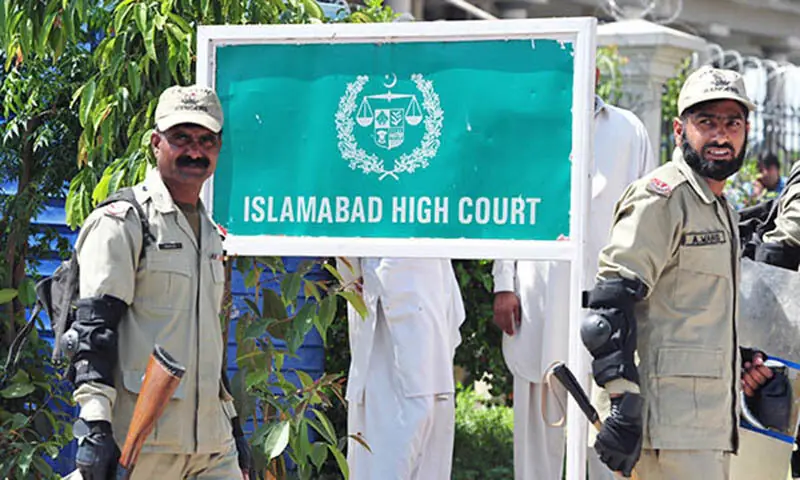
The Islamabad High Court (IHC) has granted a final adjournment to the legal team representing former Pakistani Prime Minister Imran Khan in the £190 million corruption case, also known as the Al-Qadir Trust case. The court issued a stern warning that no further delays will be tolerated and that the appeal will be decided based on the existing record if arguments are not presented at the next hearing. A division bench, led by Chief Justice Sarfaraz Dogar and Justice Muhammad Asif, issued a written order concerning Imran Khan's appeal against his conviction by an accountability court in January 2025. Imran Khan's counsel, Sardar Latif Khosa, requested a two-week adjournment, which was granted after he provided a firm commitment not to seek any further delays. The court explicitly stated this is the final opportunity for adjournment. If arguments are not made at the next hearing, the appeal will proceed based on the available evidence, after hearing the respondents' counsel. The case has been adjourned to a date to be determined by the registrar's office. The £190 million case involves allegations that Imran Khan and his wife, Bushra Bibi, received billions of rupees and significant land from a real estate firm. This allegedly occurred in exchange for legitimizing Rs50 billion that the United Kingdom had identified and returned to Pakistan during the previous PTI government's tenure. The funds were reportedly deposited into the Supreme Court's account as part of a settlement with a property tycoon. The accountability court had sentenced Imran Khan and Bushra Bibi to 14 and seven years imprisonment, respectively, on January 17, 2025, and both have since appealed their convictions.
The Islamabad High Court's decision to grant a final adjournment in Imran Khan's £190 million corruption case highlights the procedural complexities and potential for strategic delays in high-profile legal proceedings. The court's firm stance signals an intent to move towards a resolution, balancing the right to a defense with the need for judicial efficiency. This situation underscores the broader challenge of ensuring timely justice, particularly when dealing with politically charged cases that can involve extensive appeals and adjournments. Future legal frameworks might need to address mechanisms that expedite proceedings without compromising due process, considering the potential impact on public trust and the rule of law. The case's progression will be closely watched for its implications on accountability and governance in Pakistan.
AI-generated to prompt reflection — not editorial opinion, not advice, not a statement of fact. How this works.