Pakistan Crypto Regulator Meets Scholar on Shariah Status of Digital Assets
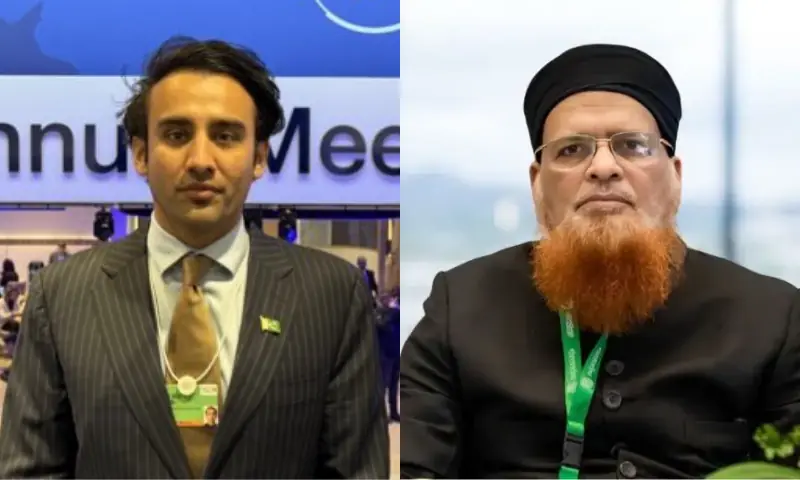
Bilal bin Saqib, Chairman of the Pakistan Virtual Assets Regulatory Authority (PVARA), held a "constructive discussion" with renowned religious scholar Mufti Taqi Usmani regarding the Shariah permissibility of digital assets. This meeting follows a June 10 fatwa issued by Mufti Usmani and six other scholars, which declared the purchase of goods with cryptocurrency "impermissible." The fatwa characterized cryptocurrency as "merely the recording of fictitious numbers in an account," not recognized as 'maal' (wealth) in Sharia. Saqib, who has been leading Pakistan's cryptocurrency adoption efforts since early 2025, emphasized that blockchain, digital assets, stablecoins, and tokenized real-world assets encompass a wide range of technologies and use cases. He argued that these merit careful technical and Shariah examination rather than a singular, prohibitive view. Saqib expressed a desire for continued engagement between scholars, regulators, and industry experts to ensure Pakistan's approach aligns with Islamic principles and a comprehensive understanding of emerging technologies. The fatwa, originating from Darul Ifta, Jamia Darululoom in Karachi, also included a former judge of the Federal Shariat Court. It stated that obtaining educational courses via cryptocurrency is not valid, citing religious jurisprudence. PVARA, an autonomous body, aims to combat illicit finance, protect consumers, and foster Shariah-compliant innovation. The State Bank of Pakistan legalized virtual assets in April through the Virtual Assets Act 2026, permitting banks to open accounts for licensed providers. With approximately 40 million Pakistanis already involved in digital assets, often through informal channels, Saqib highlighted the need for regulatory oversight to manage both opportunities and risks. Pakistan is also planning to launch its first stablecoin, a digital token pegged to a physical currency, to integrate virtual assets into the economy.
The interaction between Pakistan's crypto regulator and a prominent Islamic scholar highlights a critical tension in integrating digital assets into economies guided by religious principles. While the regulator advocates for a nuanced, technology-driven assessment of digital assets, acknowledging their diverse applications and the significant existing user base, the scholar's fatwa reflects a more cautious, traditionalist interpretation based on established Shariah definitions of wealth. This divergence underscores the challenge of applying existing legal and religious frameworks to rapidly evolving financial technologies. Future regulatory approaches in Pakistan will likely involve ongoing dialogue to bridge these perspectives, potentially leading to hybrid models that seek to balance technological innovation with Islamic jurisprudence, or risk driving informal market activity further underground if overly restrictive. The government's stated aim to protect citizens from fraud, while promoting fintech, suggests a pragmatic approach to harnessing digital finance, but the ultimate success will depend on navigating these complex theological and technological landscapes.
AI-generated to prompt reflection — not editorial opinion, not advice, not a statement of fact. How this works.