Pakistan Crypto Regulator Seeks Clarity on Digital Assets from Islamic Seminary
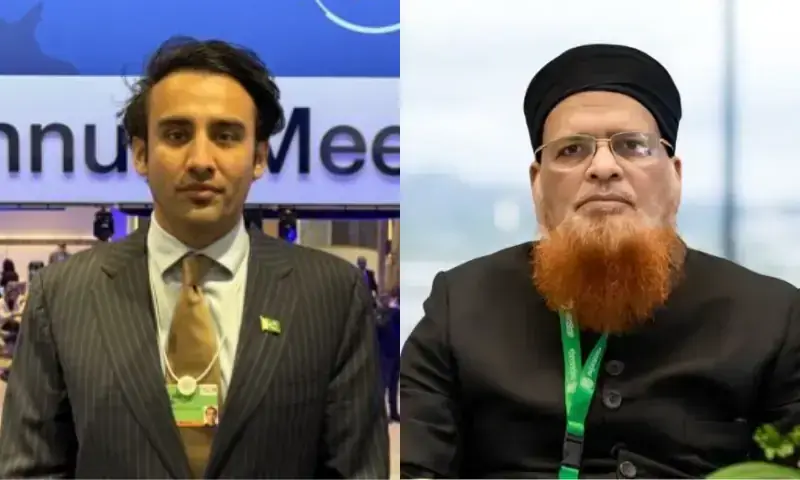
Bilal bin Saqib, Chairman of Pakistan Virtual Assets Regulatory Authority (PVARA), has requested Jamia Darul Uloom to differentiate between speculative cryptocurrencies and asset-backed digital tokens. This request follows a religious decree (fatwa) issued on June 10 by Mufti Taqi Usmani and six others, which declared crypto-based purchases impermissible under Islamic law. The fatwa described cryptocurrency as "merely the recording of fictitious numbers in an account," casting doubt on Pakistan's growing embrace of digital assets, a market where it ranks highly in retail activity. Saqib explained that PVARA is engaging with the seminary to categorize digital assets individually, rather than treating them as a monolithic class. He highlighted that instruments like blockchain-recorded sukuk, gold-backed tokens, or fully reserved stablecoins represent ownership of tangible, income-generating assets or carry enforceable claims on something real. Saqib emphasized that blockchain is fundamentally a record-keeping technology, not a financial asset itself. He acknowledged that purely speculative tokens without underlying assets warrant serious consideration of scholars' concerns. PVARA aims to collaborate closely with scholars as Pakistan develops its licensing framework for stablecoins and real-world asset tokenization, seeking to lead in Shariah-compliant digital finance. The fatwa, in its current form, could impede broader crypto adoption beyond urban trading communities, although crypto trading volumes have reportedly remained unaffected thus far. Saqib recently held a constructive discussion with Mufti Usmani, presenting digital assets, stablecoins, and tokenized real-world assets as a diverse spectrum of technologies and use cases.
The Pakistani regulator's engagement with Jamia Darul Uloom highlights a critical juncture in integrating digital finance with established religious and legal frameworks. The core challenge lies in reconciling the decentralized, often intangible nature of cryptocurrencies with Shariah principles that require clear asset backing and avoidance of speculative uncertainty. PVARA's approach of seeking categorization—distinguishing between speculative tokens and asset-backed instruments like sukuk or stablecoins—reflects a pragmatic strategy to navigate this complex landscape. This nuanced approach acknowledges the validity of scholarly concerns regarding purely speculative digital assets while recognizing the potential of tokenized real-world assets and blockchain technology for Shariah-compliant finance. The success of Pakistan's ambition to lead in this domain will depend on fostering a collaborative dialogue that bridges technological innovation with religious interpretation, ensuring that regulatory frameworks are both forward-looking and culturally resonant. This dynamic may offer a model for other nations seeking to balance technological advancement with societal values.
AI-generated to prompt reflection — not editorial opinion, not advice, not a statement of fact. How this works.