Pakistan Cybercrime Agency Summons Journalist Asad Ali Toor Over Alleged False Information
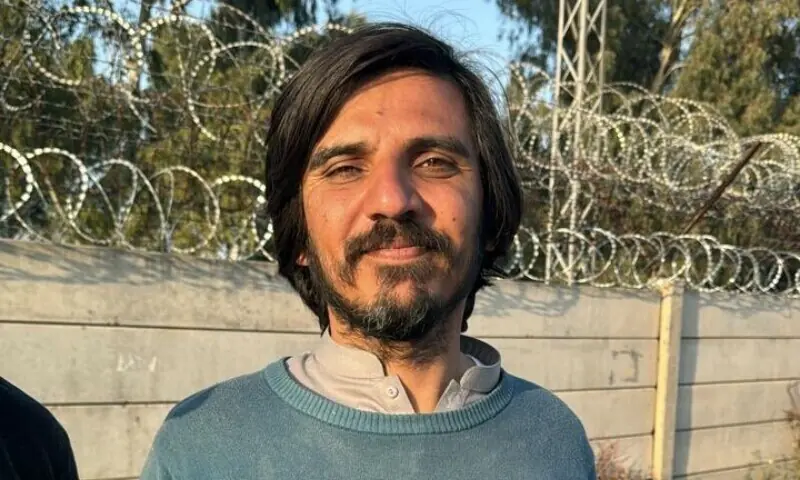
Pakistan's National Cyber Crime Investigation Agency (NCCIA) has summoned journalist Asad Ali Toor to appear for an inquiry on July 31, 2026, at 11 am in Islamabad. The summons, issued on Wednesday, cites a complaint from the state alleging Toor disseminated "false/fake information" under Section 26A of the Prevention of Electronic Crimes Act 2016 (Peca). The NCCIA warned that failure to appear without lawful excuse would result in the inquiry proceeding in his absence and could lead to punishment under Section 174 of the Pakistan Penal Code for non-attendance. Toor shared the notice on X, referencing poetry by Faiz Ahmed Faiz. The National Press Club (NPC) in Islamabad condemned the NCCIA's action, expressing concern for press freedom and calling the summons a "bad omen" for democracy. The NPC asserted that freedom of expression is a constitutional right and urged institutions to uphold legal and human rights, emphasizing that free journalism is vital for a strong democratic system. They demanded the notice's withdrawal and warned against actions that restrict press freedom and create insecurity within the journalist community. This is not the first time Toor has faced legal action; he was previously arrested in 2024 under Peca for an alleged malicious campaign against state institutions, a move that drew criticism from the media fraternity before his release.
The summons issued by the NCCIA to journalist Asad Ali Toor highlights a recurring tension between state interests in controlling information and the principles of press freedom. Such actions, particularly when framed under broad statutes like Peca, can create a chilling effect on investigative journalism and critical reporting. The state's role as complainant raises questions about the impartiality of the process and the potential for using legal mechanisms to stifle dissent. The response from the National Press Club underscores the broader implications for democratic societies, where the free flow of information is considered foundational. Future trends in digital governance and the evolving landscape of online content regulation will likely continue to test the boundaries between national security, public order, and fundamental rights, necessitating clear, narrowly defined legal frameworks that protect both legitimate state concerns and essential freedoms.
AI-generated to prompt reflection — not editorial opinion, not advice, not a statement of fact. How this works.