Pakistan Election Body Rejects Achakzai's Party Leadership Over Unheld Polls
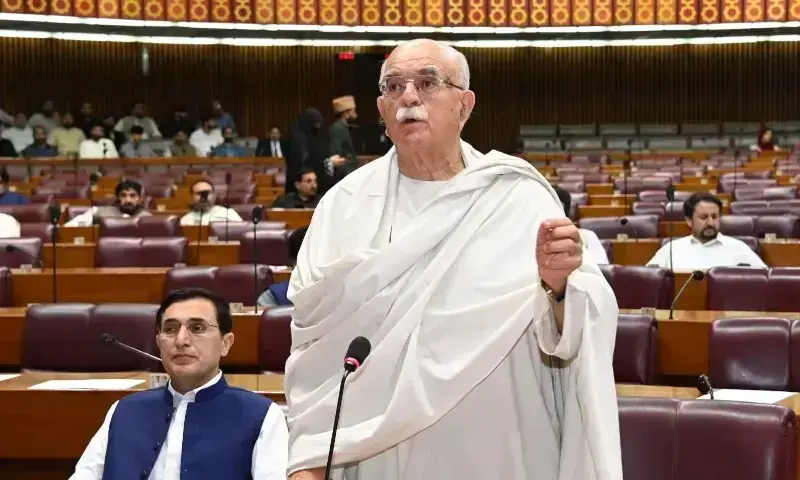
The Election Commission of Pakistan (ECP) has refused to recognize Mehmood Khan Achakzai as the chairman of the Pakhtunkhwa Milli Awami Party (PkMAP) due to the party's failure to conduct intra-party elections. A five-member bench, led by Chief Election Commissioner Sikandar Sultan Raja, heard the case. The ECP also questioned "controversial" amendments to the party's constitution and its financial accounts. Initially, the ECP addressed the party's legal counsel, Aimal Mandokhail, regarding his authority to represent PkMAP. Commissioner Raja stated that an order would be issued on the acceptability of the power of attorney signed by Achakzai, given that his position as party head is currently unrecognized. Mandokhail's representation in three related cases now depends on this ECP decision. PkMAP last held intra-party elections on December 21, 2022, with a three-year term for office-bearers, making new elections due by December 21, 2025. The ECP reminded the party on October 1, 2025, and issued a show-cause notice on January 15, 2026. While an initial 180-day extension was granted, a subsequent request for another similar extension was denied, with the ECP mandating completion of elections by June 19, 2026. The party failed to hold the elections or provide a satisfactory response to the ECP.
The Election Commission of Pakistan's decision highlights the critical role of internal democratic processes for political parties to maintain their legal standing. By refusing to recognize Achakzai's leadership due to unfulfilled intra-party election obligations, the ECP underscores the principle that organizational legitimacy is contingent upon adherence to electoral timelines. This situation presents a systemic challenge for parties that may prioritize leadership continuity over established electoral procedures, potentially creating governance vacuums. Looking ahead, such regulatory enforcement could incentivize greater transparency and accountability in party structures, fostering a more robust democratic framework. The ECP's actions prompt consideration of the balance between party autonomy and the public interest in well-governed political organizations.
AI-generated to prompt reflection — not editorial opinion, not advice, not a statement of fact. How this works.