Pakistan Election Commission Presses KP and Islamabad on Local Poll Delays
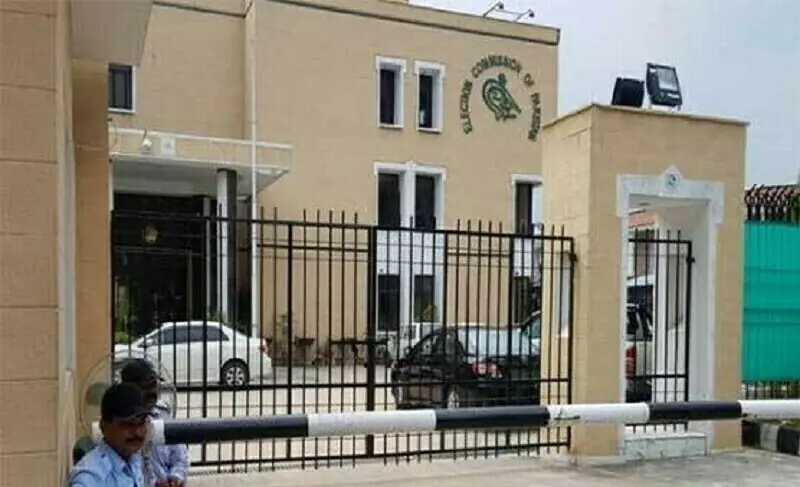
The Election Commission of Pakistan (ECP) has issued another stern warning to the Khyber Pakhtunkhwa (KP) provincial government and federal authorities regarding the persistent delays in holding local government elections. The ECP has directed both entities to submit all outstanding delimitation notifications by July 28, the date of the next hearing. Local government terms in KP concluded on March 15, and in Islamabad, elections have been postponed since February 2021, leaving approximately 2.5 million residents without representation and facing civic issues. The ECP is pursuing separate cases for KP and the Islamabad Capital Territory (ICT) due to these delays. Previously, on July 1, the commission had criticized both governments for "unnecessarily delaying" the polls and cautioned of "serious consequences" for creating obstacles. The ECP noted that KP has not provided "meaningful assistance" as required by the constitution, citing Supreme Court precedents that non-cooperation constitutes a constitutional violation. While KP has submitted some delimitation data, notifications for eight districts and the inclusion of four new districts in the LG Act remain pending provincial assembly legislation. The KP chief secretary assured the commission that maps for 23 districts have been provided and delimitation is complete, with remaining notifications to follow provincial approval. For Islamabad, a summary seeking cabinet approval for town corporation limits and union council numbers has been sent to the Prime Minister's Office. However, the ECP still awaits key documents for the ICT, including town corporation limit notifications with maps, union council notifications, and necessary legislative amendments. The commission has ordered meetings and data submissions from relevant officials to expedite the process, with hearings adjourned until July 28.
The Election Commission of Pakistan's repeated warnings highlight a systemic challenge in ensuring timely democratic processes at the local level. The delays suggest a potential disconnect between constitutional mandates for local governance and the practical implementation by provincial and federal authorities, possibly influenced by political considerations or administrative capacity issues. The ECP's reliance on constitutional articles and Supreme Court judgments underscores the legal framework's intent to uphold electoral rights. Moving forward, strengthening inter-governmental coordination mechanisms and potentially establishing clearer accountability for electoral delays could mitigate future postponements. The long-term implications of unrepresented local populations may impact civic engagement and the effectiveness of public service delivery, particularly in an era where localized decision-making is increasingly recognized for its efficiency and responsiveness.
AI-generated to prompt reflection — not editorial opinion, not advice, not a statement of fact. How this works.