Pakistan Election Commission Ready for Local Polls, Cites Government Amendments for Delays
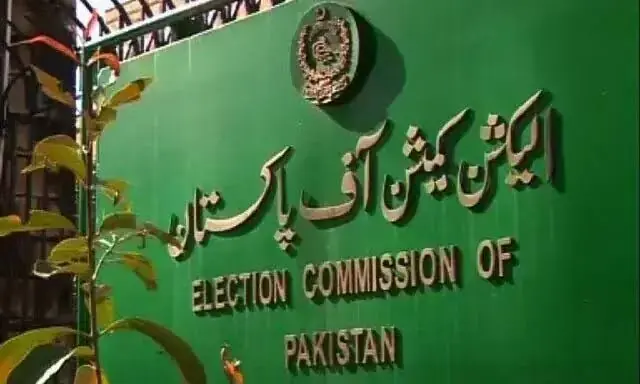
The Election Commission of Pakistan (ECP) announced on Friday its readiness to conduct local government elections in Punjab and 23 districts of Khyber Pakhtunkhwa. However, the ECP attributed the ongoing delays to repeated last-minute amendments to relevant laws by both federal and provincial governments. In Punjab, the delimitation process is nearing completion, with decisions on objections expected by August 7, 2026, and the final delimitation to be published on August 17, 2026. The ECP stated it is prepared to consult with the Punjab government to set an election schedule immediately thereafter. For Khyber Pakhtunkhwa, delimitation is complete in 23 districts, with seven others still undergoing the process. A significant amendment by the provincial government on July 21, 2026, increased population thresholds for local councils, creating a mismatch with existing seat allocations and rendering delimitation impossible in affected districts. Despite granting extensions and time for further amendments, the ECP highlighted that such eleventh-hour changes consistently derail timely elections, causing legal and administrative confusion. The commission emphasized its constitutional obligation under Article 219(D) and Article 140-A to hold elections within 120 days of term expiry. To prevent future postponements, the ECP proposed legislative changes to prohibit alterations of local government laws or district boundaries after election terms have ended, suggesting major restructuring should occur at least a year before term expiry. The Ministry of Parliamentary Affairs responded that legislation is parliament's prerogative and cannot be restricted. Separately, the ECP announced that delimitation for local government elections in Islamabad will commence on August 1, 2026, and conclude by October 13, 2026, after training and map provision to delimitation committees. Recommendations for election rules have also been submitted to the Ministry of Interior and the Islamabad chief commissioner for prompt notification.
The Election Commission of Pakistan's statement highlights a recurring tension between electoral bodies and governing entities regarding the timely execution of democratic processes. The ECP's assertion of readiness, juxtaposed with its critique of legislative amendments, points to a potential systemic vulnerability where governmental prerogative to legislate can inadvertently or intentionally impede constitutional mandates for elections. The proposed amendments by the ECP aim to introduce procedural safeguards, seeking to create a more predictable electoral calendar by insulating the delimitation and election scheduling phases from legislative flux. This situation reflects broader governance challenges in balancing legislative authority with the operational independence of electoral commissions, particularly in the lead-up to elections. The ECP's forward-looking proposals suggest a need for clearer constitutional or statutory frameworks that define the boundaries of legislative intervention in electoral processes, thereby ensuring the uninterrupted fulfillment of democratic obligations.
AI-generated to prompt reflection — not editorial opinion, not advice, not a statement of fact. How this works.