Pakistan Engages in Mediation Efforts Between Rival Libyan Factions
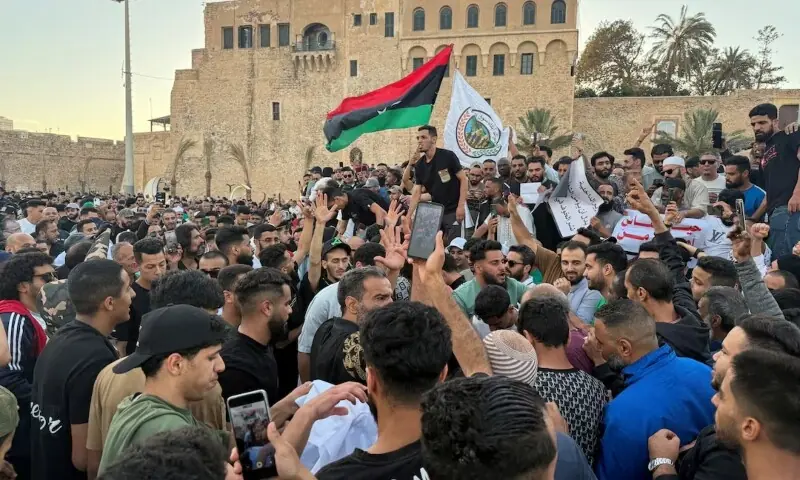
Pakistan has initiated a quiet mediation effort between Libya's rival eastern and western power centers, a move that could significantly enhance Islamabad's diplomatic standing if successful. This initiative follows a prolonged US-led effort to find a diplomatic resolution for Libya, a nation divided since the 2011 civil war that overthrew Muammar Qadhafi. The Pakistani involvement in Libya comes after its central role in mediating between the US and Iran earlier this year, an effort lauded by the Trump administration. Pakistani sources indicate that the United States is fully aware of and involved in Pakistan's mediation role in Libya, with support also coming from Saudi Arabia. These mediation efforts reportedly began in late 2025 at the request of both Libyan factions, though the extent of coordination with other regional players remains unclear. Recently, Pakistan's Chief of Defence Forces, General Asim Munir, met with Libyan military chief Saddam Haftar in Rawalpindi. Haftar subsequently visited Washington, meeting with Secretary of State Marco Rubio, who affirmed US support for Libyan unity. Pakistan has also explored defense ties with the eastern-based LNA, including potential sales of JF-17 fighter jets and Super Mushak trainer aircraft, despite a UN arms embargo. Concurrently, the rival western GNU has also sought direct discussions with Pakistan, with Qatar and Turkiye encouraging Pakistan's mediation role.
Pakistan's engagement in mediating between Libya's divided factions presents a complex geopolitical maneuver. By leveraging its established relationships and perceived neutrality, Islamabad aims to bolster its international influence, particularly following its role in US-Iran discussions. The involvement of the US and Saudi Arabia suggests a strategic alignment, potentially seeking to stabilize Libya through a trusted intermediary. However, navigating the intricate internal Libyan power dynamics, while simultaneously managing relationships with key regional actors like Qatar and Turkiye, poses significant challenges. The potential for Pakistan to pursue defense sales alongside its mediation role raises questions about potential conflicts of interest and the adherence to international sanctions, such as the UN arms embargo. This situation highlights the evolving landscape of international diplomacy, where non-traditional mediators are increasingly sought to resolve protracted conflicts, driven by shifting global power structures and the search for pragmatic solutions in volatile regions.
AI-generated to prompt reflection — not editorial opinion, not advice, not a statement of fact. How this works.