Pakistan Expresses Concern Over Potential Involvement in US-Iran Tensions
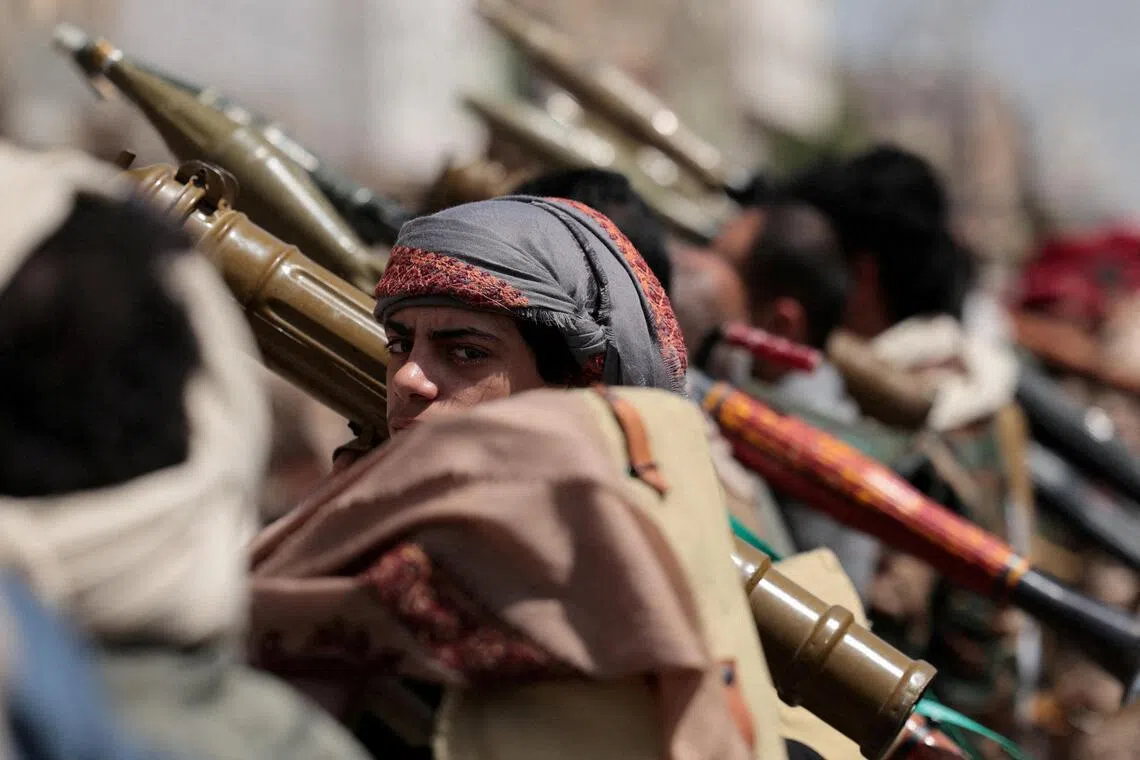
Pakistan has voiced concerns regarding the possibility of being drawn into the escalating conflict between the United States and Iran. This worry comes in the wake of recent attacks by the Houthis on Saudi Arabia. The nation's apprehension is underscored by its existing mutual defense agreement with Saudi Arabia, which was signed in 2025. This pact could potentially obligate Pakistan to intervene in regional disputes, even if it prefers to remain neutral. The geopolitical climate is becoming increasingly volatile, and Pakistan is carefully navigating its foreign policy to avoid entanglement in wider conflicts. The situation highlights the complex web of alliances and rivalries in the Middle East and their potential ripple effects on neighboring countries. Pakistan's leadership is reportedly monitoring the developments closely and assessing the implications for its national security.
Pakistan's stated concern over potential entanglement in US-Iran tensions, following Houthi actions against Saudi Arabia, highlights the strategic challenge of balancing regional security commitments with national interests. The existence of a mutual defense agreement with Saudi Arabia, signed in 2025, creates a complex incentive structure where adherence to treaty obligations could conflict with a desire for non-involvement in broader geopolitical rivalries. This situation underscores the inherent tension between alliance systems and the pursuit of independent foreign policy in an era of heightened regional instability. Future geopolitical frameworks will likely require more nuanced mechanisms for de-escalation and conflict prevention that respect sovereign autonomy while addressing collective security concerns.
AI-generated to prompt reflection — not editorial opinion, not advice, not a statement of fact. How this works.