Pakistan faces amplified heat deaths due to lack of cooling access, study warns
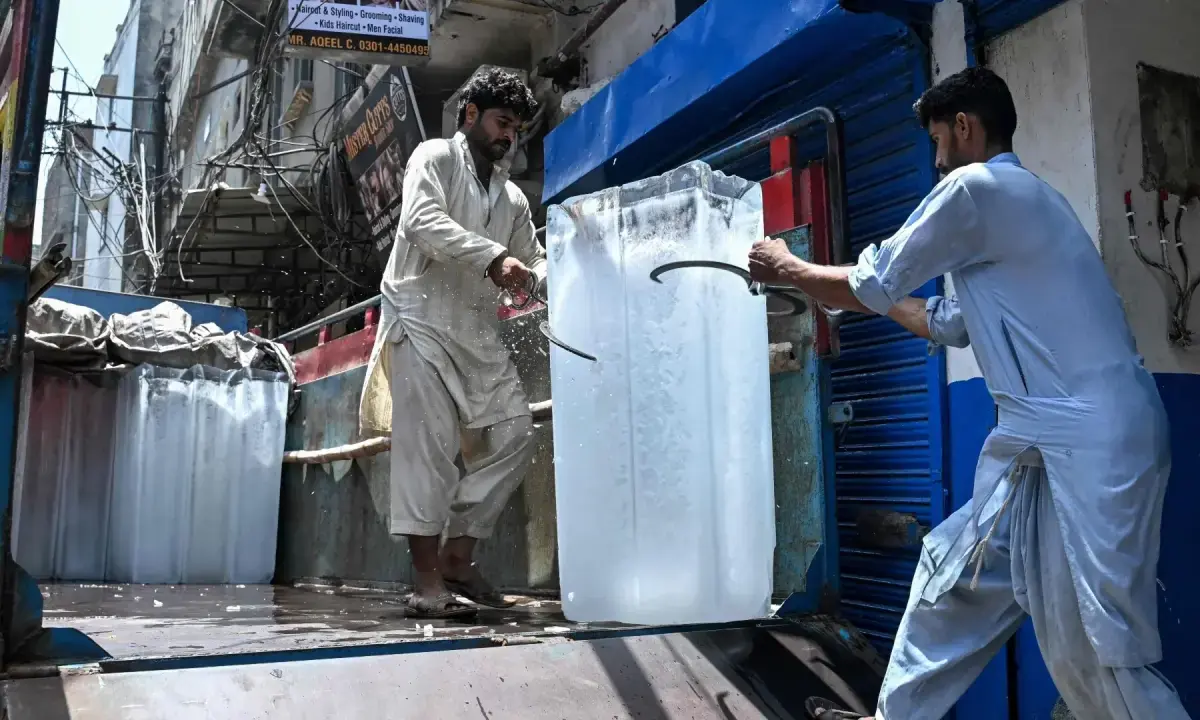
A significant portion of Pakistan's population, estimated at 89%, is vulnerable to a dangerous combination of extreme heat and limited access to air conditioning, according to a study by the Climate Impact Lab at the University of Chicago. This "mortality-cooling trap" could lead to an estimated 150,000 additional heat-related deaths annually in Pakistan by 2050. Globally, the study projects that climate-driven temperature increases will cause approximately 430,000 more deaths each year by 2050, with cooling systems being crucial for prevention. The research identifies 18 countries, home to 676 million people, trapped in this cycle of extreme heat and insufficient cooling, predominantly in sub-Saharan Africa and South Asia. These nations, largely low-income or lower-middle-income, face energy affordability constraints that hinder their ability to adapt compared to wealthier nations. For instance, Niger's projected per capita electricity use increase is significantly lower than Saudi Arabia's, with Niger facing an additional 27,000 annual heat-related deaths by 2050. The study highlights that 89% of Pakistan's population may reside in affected regions, experiencing a substantial rise in temperature-related mortality. Dr. Khalid Waleed, an energy expert, emphasizes that Pakistan's vulnerability stems from affordability, reliability, and unequal access to cooling, rather than just a shortage of electricity. He notes that suppressed demand, not an absence of demand, characterizes the situation, as many households cannot afford air conditioners or the rising cost of electricity, compounded by unreliable grids. While acknowledging that these projections are based on a middle-of-the-road development path and status quo adaptation, Dr. Waleed suggests that rapid technological and policy changes, such as distributed solar energy, can alter this trajectory. The Climate Impact Lab's report also recommends reforms in the power sector, early warning systems, heat action plans, and improved temperature forecasts to aid adaptation. Dr. Waleed advocates for treating affordable electricity, resilient grids, efficient cooling, public cooling spaces, heat-health action plans, urban greening, and social protection as essential climate adaptation infrastructure. He warns that the primary danger lies in lethal heat rising faster than people's ability to afford protection.
This study highlights a critical global equity challenge: the disproportionate impact of rising temperatures on lower-income nations due to their limited capacity to invest in essential cooling infrastructure. The concept of a "mortality-cooling trap" underscores how economic constraints can exacerbate climate vulnerability, creating a feedback loop where heat stress leads to increased mortality, which in turn hinders economic development and further limits adaptation resources. While technological solutions like solar power offer potential, the analysis suggests that systemic issues of affordability, grid reliability, and equitable distribution of resources are paramount. Future climate adaptation strategies must integrate not only technological advancements but also robust economic and social policies to ensure that vulnerable populations are not left behind in the face of escalating climate impacts. The projections serve as a stark warning, emphasizing that proactive, inclusive, and affordable adaptation measures are crucial to avert catastrophic outcomes.
AI-generated to prompt reflection — not editorial opinion, not advice, not a statement of fact. How this works.