Pakistan Faces EU GSP-Plus Renewal Hurdles Requiring Further Reforms
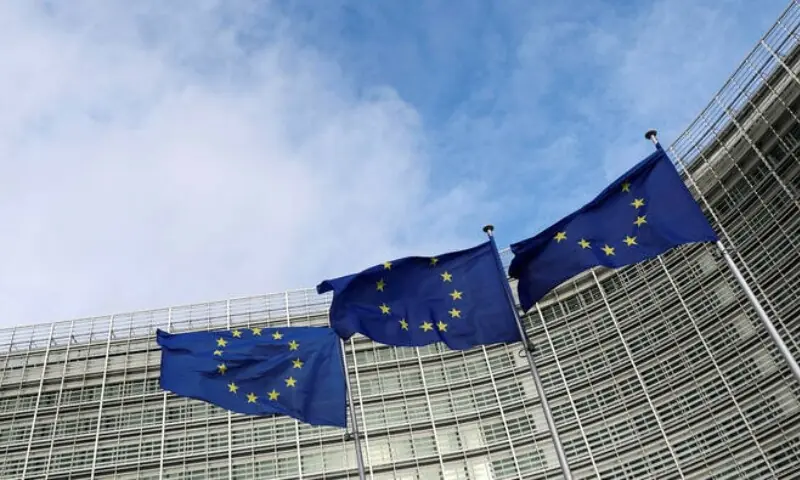
Pakistan's access to the European Union's preferential trade scheme, GSP-Plus, faces significant challenges as new EU trade rules take effect in January 2027. While the EU has acknowledged Pakistan's progress in certain areas, it expects Islamabad to undertake further actions to retain market access. Under the new regulations, Pakistan must reapply for GSP-Plus status by the end of 2028, submitting a detailed plan of action for Brussels' approval. The EU's assessment report, published on July 16, will serve as the baseline for evaluating Pakistan's application. This preferential access is crucial, representing approximately €7.5 billion in annual exports and €730 million in tariff savings. The textile sector, a major beneficiary, relies heavily on these savings, which impact profitability and support millions of jobs in Pakistan's economy. The EU emphasizes that the requested reforms are not new demands but obligations Pakistan voluntarily accepted when joining the GSP-Plus scheme, aligning with national goals for a stronger and more prosperous country. The EU report specifically noted progress in narrowing the scope of the death penalty, enacting laws against child marriage and domestic violence, ratifying the ILO forced-labour protocol, and maintaining climate commitments. The government is urged to approach the reapplication process proactively, viewing it as an opportunity to implement long-promised reforms rather than a mere bureaucratic obstacle. Pakistan has demonstrated its capacity for progress, and aligning national priorities with these reforms is essential for economic growth and societal well-being.
The European Union's GSP-Plus renewal process for Pakistan highlights a critical juncture where economic incentives are explicitly linked to governance and human rights benchmarks. This mechanism, while ostensibly a trade agreement, functions as an external governance lever, incentivizing domestic policy shifts. The EU's demand for Pakistan to 'do more' and reapply by 2028, based on a specific baseline assessment, frames the renewal not as an automatic right but as a performance-based privilege. This approach tests Pakistan's capacity to translate economic stabilization efforts into tangible societal reforms, particularly concerning labor rights, environmental standards, and social justice issues. The challenge for Pakistan's leadership lies in leveraging this external pressure as a catalyst for sustainable, internally driven reforms that benefit its population, rather than viewing it solely as a diplomatic or economic hurdle. The next decade will likely see increasing integration of such conditionality into international trade, pushing nations to align domestic policies with global standards to access key markets.
AI-generated to prompt reflection — not editorial opinion, not advice, not a statement of fact. How this works.