Pakistan Faces Potential Fuel Shortages as Petrol Stocks Dwindle to 14 Days
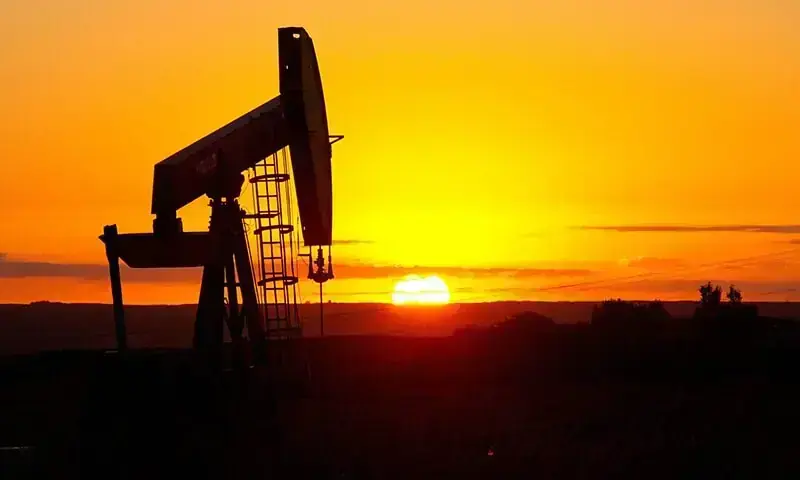
Pakistan's oil industry is expressing concern as petrol reserves have fallen to a 14-day supply, prompting the government to address procedural issues and discourage hoarding. This situation arises amidst increasing fuel prices, partly attributed to renewed US-Iran tensions which have driven up import premiums significantly. Petrol consumption has seen a notable increase of 18-20% year-on-year in early July, with diesel demand up by approximately 40% over the past five years. This surge is linked to reduced smuggling from Iran due to a narrower price gap and the cancellation of some Pakistan State Oil (PSO) import cargoes. Smaller oil players are hesitant to increase supplies due to over Rs66 billion in pending price differential claims against the government and customs clearance challenges. Petrol stocks are at 345,000 tonnes against a daily consumption of 25,000 tonnes, with local refineries producing only 9,000 tonnes daily. Diesel stocks are more stable at 465,000 tonnes against 23,000 tonnes daily consumption, with refineries supplying 16,000 tonnes. The Oil Companies Advisory Council (OCAC) warned of supply chain issues, citing an abnormal sales increase in early July and potential hoarding in anticipation of price hikes. The National Coordination and Management Council (NCMC), a civil-military body, has emphasized proactive enforcement by the Oil and Gas Regulatory Authority (Ogra) and urged provincial governments to prevent hoarding and ensure public access to fuel. Customs authorities have pledged to resolve clearance bottlenecks, while the OCAC has requested the immediate disbursement of Rs67 billion in Price Differential Claims to ensure smooth supply chains.
The situation in Pakistan highlights the complex interplay between global geopolitical events, domestic price dynamics, and the operational challenges within the energy sector. The government's response, involving a civil-military council and enforcement mechanisms, suggests an attempt to assert control over a critical supply chain vulnerable to speculation and external shocks. The reliance on price differential claims and customs clearance points to systemic inefficiencies and a potential disconnect between government policy and the financial realities faced by oil marketing companies. Looking ahead, Pakistan's energy security may depend on diversifying import sources, improving domestic refining capacity, and establishing more transparent and predictable pricing and payment mechanisms to mitigate the impact of future global price volatility and geopolitical instability.
AI-generated to prompt reflection — not editorial opinion, not advice, not a statement of fact. How this works.