Pakistan Faces Wheat Shortage Amidst Policy Confusion and Market Volatility
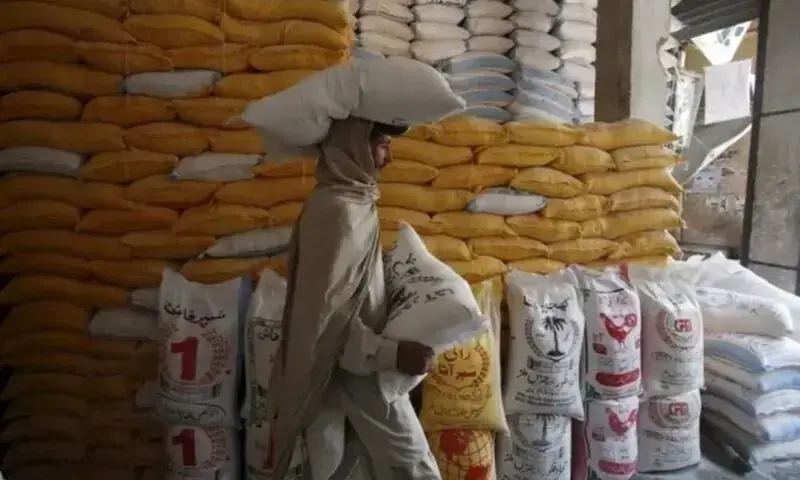
Pakistan is planning to import one million tonnes of wheat due to insufficient strategic reserves to meet provincial demands, a situation made more perplexing by Punjab, the country's primary wheat-producing province, also requesting one million tonnes. This move is unusual given it occurs just three months after the harvest, despite official assurances that domestic production of 29.8 million tonnes, plus over 2 million tonnes of carryover stocks, would suffice. The puzzle deepens as poultry feed mills are opting for cheaper maize instead of wheat, and the border with Afghanistan remains closed to both formal trade and smuggling. Nevertheless, wheat prices have significantly increased from approximately Rs3,300 to Rs4,700 per 40 kg since the harvest, exceeding the import parity price, indicating a substantial supply-demand imbalance. These events cast doubt on the accuracy of official production figures, the adequacy of strategic reserves, and the overall management of the wheat supply chain. The proposed import has also reignited farmers' concerns about a price collapse, similar to what occurred in FY24 following substantial imports. The core issue appears to be a wheat policy that has failed to balance the interests of farmers and consumers, particularly as Pakistan complies with international financial institutions' conditions. The decades-old public procurement system was abandoned without a viable market-based alternative to ensure fair farmer returns, market stability, and sufficient reserves. Punjab's wheat policy, which heavily influences the national supply, has seen frequent changes, including the abrupt cessation of farmer procurement in 2024, the introduction of an Electronic Warehouse Receipt system in 2025, and a shift to a private sector-led model in 2026, none of which have yielded positive results. Despite claims of deregulation, the Punjab government has resorted to administrative measures like price caps and stock raids, potentially harming farmers by distorting market incentives to keep urban flour prices low. The supply-demand mismatch after harvest is partly attributed to lower yields, with farmers reducing costly fertilizer use and adverse weather conditions impacting the crop, leading to an estimated yield decline of three to five maunds per acre. Market participants have also altered their behavior; many farmers retained more stocks to meet immediate financial needs, and urban consumers, anticipating global food inflation due to geopolitical tensions and rising energy prices, have stocked up more than usual. The growing presence of well-connected private stockists, who can hold large inventories, has further tightened market supplies. Looking ahead, farmers are demanding a harvest-time price at least equal to import parity to cover rising production costs. To address these challenges, three reforms are proposed: allowing unrestricted wheat exports during harvest to align domestic prices with international markets, establishing and maintaining strategic reserves of at least 4 million tonnes procured and released at market prices as a stabilization tool, and recognizing the legitimate role of private stockists in the supply chain while promoting a broad-based network to prevent market concentration. A public debate and consensus among stakeholders are deemed essential for formulating a future wheat policy that benefits both farmers and consumers.
Pakistan's current wheat crisis highlights a systemic challenge in balancing agricultural policy with market realities and international financial obligations. The shift away from established procurement systems without robust market-based alternatives has created policy vacuums exploited by market volatility and speculative behavior. Government interventions, intended to stabilize prices for consumers, have inadvertently distorted farmer incentives and potentially reduced overall supply. The reliance on administrative controls, rather than market mechanisms, suggests a governance gap in managing complex supply chains. Looking forward, the proposed reforms—unrestricted exports during harvest, market-based strategic reserves, and regulated private stockholding—aim to create a more resilient system. However, successful implementation will require careful calibration to ensure that price signals accurately reflect production costs and consumer demand, while also protecting vulnerable populations through targeted support rather than broad price suppression. The long-term challenge lies in fostering a stable, predictable policy environment that encourages investment in agricultural productivity and ensures fair returns for all stakeholders in the food value chain.
AI-generated to prompt reflection — not editorial opinion, not advice, not a statement of fact. How this works.
