Pakistan Facilitates US-Iran Talks Amidst Escalating Tensions and Chinese Backing
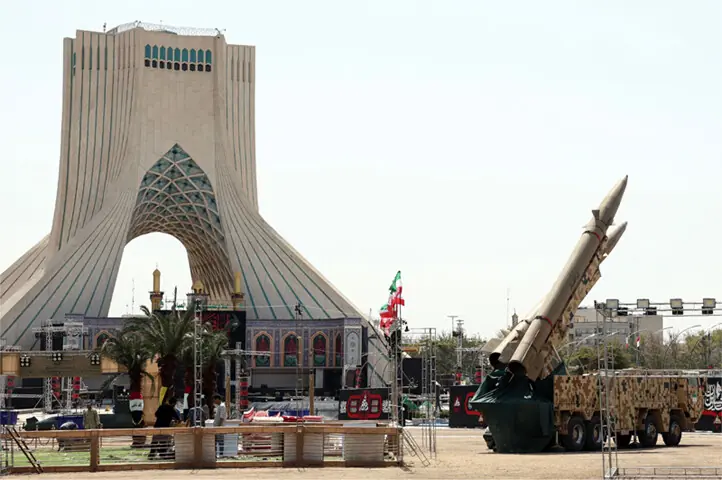
Pakistan is reportedly exploring a pathway to resume stalled US-Iran peace talks, a diplomatic initiative reportedly supported by China. This effort comes as US missiles struck Iranian targets following President Donald Trump's vow of "major military punishment" against Iran and its Houthi allies in Yemen for expanding the conflict to the Red Sea. Exploratory discussions for renewed talks occurred during Iranian Interior Minister Eskandar Momeni's recent visit to Islamabad, his second in ten days. China, which has consistently supported Pakistan's mediation, has expressed concern over potential disruptions to key trade routes like the Strait of Hormuz and the Red Sea, stating its support for Pakistan's efforts to restore peace. Qatar's Prime Minister, Sheikh Mohammed bin Abdulrahman bin Jassim Al Thani, has also called for adherence to dialogue and the implementation of the US-Iran memorandum of understanding to ensure freedom of navigation and regional stability. President Trump indicated that Iran was becoming "very serious" about negotiations, while also warning China and Russia against involvement in the conflict. He affirmed that Iran would face "major military punishment" for any further attacks by Yemeni fighters. Iran's military command has stated it would retaliate by killing a US service member for every Iranian killed. US strikes reportedly hit Revolutionary Guards Navy headquarters and the port city of Bandar Anzali, resulting in four deaths and five injuries in Ahvaz. Meanwhile, Pakistan's Foreign Minister Ishaq Dar met with his Iranian counterpart Abbas Araghchi at the SCO summit, emphasizing dialogue, restraint, and de-escalation, and the importance of building upon the Islamabad MoU of June 2026.
The unfolding diplomatic maneuvers highlight the complex geopolitical landscape of the Middle East, where regional conflicts intersect with global trade interests and the strategic positioning of major powers like China. Pakistan's role as a mediator, backed by China, suggests a shared interest in de-escalating tensions to protect vital shipping lanes and maintain regional stability. The US response, characterized by military strikes and strong rhetoric, indicates a strategy of deterrence, yet President Trump's acknowledgment of Iran's seriousness in talks points to the persistent utility of diplomatic channels, even amidst heightened conflict. The involvement of multiple regional and international actors underscores the interconnectedness of security and economic interests, suggesting that future resolutions will likely require multilateral engagement and a careful balancing of national security imperatives with global trade continuity.
AI-generated to prompt reflection — not editorial opinion, not advice, not a statement of fact. How this works.