Pakistan FIA Arrests Five for Alleged Human Placenta Smuggling Ring
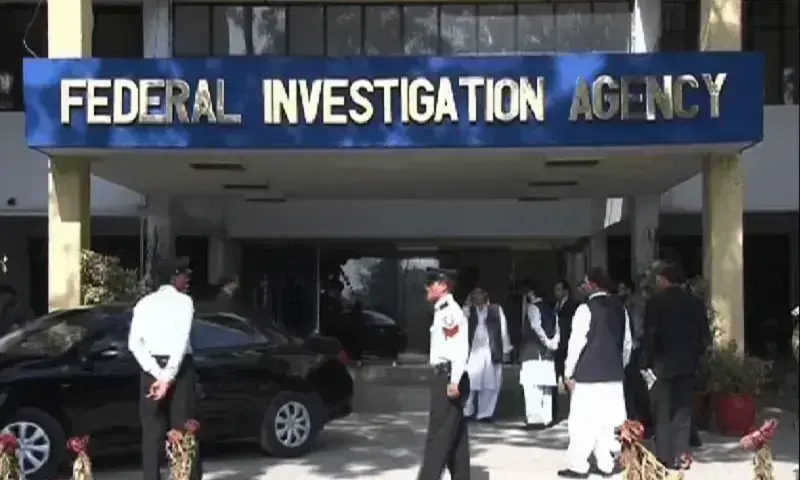
The Federal Investigation Agency (FIA) in Pakistan has arrested five individuals in Islamabad as part of an investigation into a syndicate allegedly involved in smuggling human placenta. The operation, reported by the BBC, uncovered approximately 500 kilograms of suspected human placenta at an illegal processing facility. Photographs revealed the material being dried and processed within a converted house. The FIA also intercepted a 100kg shipment destined for Vietnam at Islamabad airport. According to an officer from the Human Organ Transplant Authority (HOTA), the suspects purchased placenta from hospitals in Islamabad and Rawalpindi for around Rs800 per piece. The ring is accused of acquiring 200kg monthly, processing it, and exporting it for use in expensive anti-ageing injections, reportedly costing Rs700,000 each. Initially claiming to handle sheep placenta, the suspects later admitted to dealing with human material under interrogation. The FIA suspects the syndicate's operations extend to other major cities like Lahore, Peshawar, and Rawalpindi, and is investigating potential complicity from immigration officers, waste management companies, and hospitals. Commercial harvesting of human organs is a serious offense in Pakistan, carrying penalties of up to 10 years imprisonment and fines. Gynecologists emphasize that placenta is considered highly infectious medical waste with strict disposal regulations.
This incident highlights a concerning intersection of medical waste management, illicit trade, and the burgeoning global market for anti-ageing treatments. The alleged smuggling operation points to systemic vulnerabilities in hospital waste disposal protocols and regulatory oversight. The high value placed on human placenta for purported anti-ageing benefits, despite its classification as infectious medical waste, underscores a societal demand that may outpace ethical and legal frameworks. Future regulatory efforts could focus on strengthening supply chain traceability for biological materials and harmonizing international standards for the handling and disposition of medical byproducts. Examining the economic incentives driving both the collection and the demand for such substances will be crucial in mitigating future exploitation.
AI-generated to prompt reflection — not editorial opinion, not advice, not a statement of fact. How this works.