Pakistan Finance Minister to Visit Washington for Trade and Investment Talks
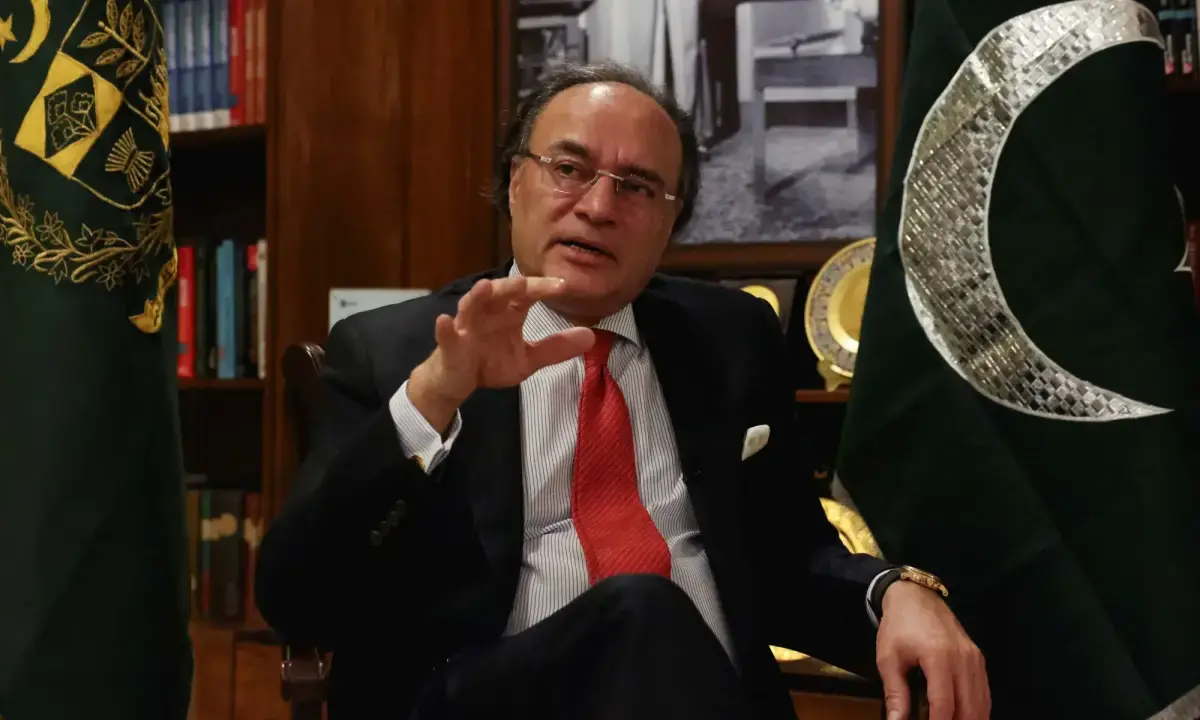
Pakistan's Finance Minister, Muhammad Aurangzeb, is set to arrive in Washington on Saturday for a three-day visit focused on trade, finance, and investment discussions with US officials. This visit is part of ongoing negotiations for a broader bilateral economic partnership between Pakistan and the United States. Minister Aurangzeb is scheduled to meet with representatives from the Office of the United States Trade Representative (USTR), the US Export-Import (Exim) Bank, the US International Development Finance Corporation (DFC), and the International Monetary Fund (IMF).
A primary objective of the visit will be to discuss the framework for a potential bilateral trade agreement, aiming to increase trade and investment flows. Key topics are expected to include tariffs, market access, investment prospects, and general economic cooperation. Discussions with the Exim Bank and DFC will likely explore financing opportunities for infrastructure, energy, and private sector projects in Pakistan.
The minister's trip follows recent negotiations concerning tariffs on Pakistani exports and a wider trade accord. Previous discussions in July 2025 saw a reduction in a proposed tariff from 29% to 19%, though the tariff landscape has since evolved due to a US Supreme Court ruling invalidating International Emergency Economic Powers Act (IEEPA)-based tariffs. The Trump administration subsequently imposed a temporary 10% global tariff under Section 122 of the Trade Act, set to expire on July 24. Pakistan is also undergoing a USTR Section 301 investigation regarding alleged forced labor practices, with a proposed additional 10% tariff, while India and 53 other nations face a 12.5% tariff. Minister Aurangzeb previously visited Washington in April for the IMF and World Bank Spring Meetings, where he promoted Pakistan's economic reforms and plans to re-enter international capital markets.
This high-level engagement between Pakistan's Finance Minister and key US economic bodies highlights the intricate and evolving nature of bilateral trade relations, particularly concerning tariff structures and market access. The discussions are framed against a backdrop of shifting US trade policy, influenced by domestic legislation, international rulings, and geopolitical considerations. Pakistan's efforts to navigate these complexities, including responding to Section 301 investigations and seeking to expand economic partnerships, underscore the challenges faced by developing economies in accessing global markets. The outcome of these negotiations will be critical in shaping Pakistan's economic trajectory, influencing its ability to attract foreign investment and stabilize its macroeconomic environment amidst regional uncertainties and global market volatility.
AI-generated to prompt reflection — not editorial opinion, not advice, not a statement of fact. How this works.