Pakistan Finance Minister Visits US for Trade, Investment Talks
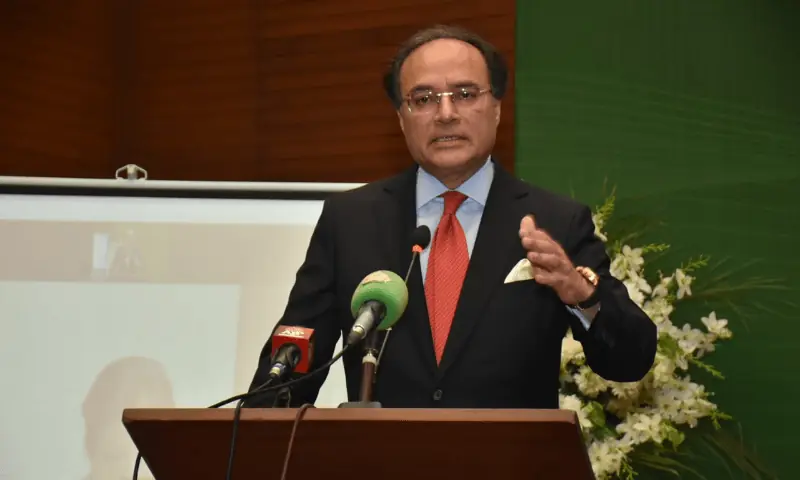
Pakistan's Finance Minister Muhammad Aurangzeb arrived in Washington on Saturday evening for a three-day visit focused on enhancing trade, finance, and investment between Pakistan and the United States. Diplomatic sources indicate that negotiations on a broader bilateral economic partnership will resume on Monday. During his stay, Minister Aurangzeb is scheduled to meet with key US officials from the Office of the United States Trade Representative (USTR), the US Export-Import Bank, the US International Development Finance Corporation (DFC), and the International Monetary Fund (IMF).
A primary objective of the visit is to discuss the framework for a potential bilateral trade agreement, aiming to expand economic ties. Discussions are expected to cover tariffs, market access, investment opportunities, and overall economic cooperation. Meetings with the Exim Bank and DFC will explore financing options for infrastructure, energy, and private sector projects in Pakistan.
The visit occurs amidst ongoing discussions regarding US tariffs on Pakistani exports. Previously, a 29% tariff proposed under the International Emergency Economic Powers Act (IEEPA) was reduced to 19% after a Pakistani delegation's visit in July 2025. However, a subsequent US Supreme Court ruling invalidated IEEPA-based tariffs, leading the Trump administration to impose a temporary 10% global tariff under Section 122 of the Trade Act, set to expire on July 24. Pakistan is also under USTR investigation for alleged forced labor practices, facing a proposed 10% additional tariff, while India and 53 other nations face a 12.5% tariff. Minister Aurangzeb previously visited Washington in April for IMF/World Bank meetings, where he presented Pakistan's economic reforms and plans to re-enter international capital markets.
This visit represents a critical juncture for Pakistan's economic diplomacy, seeking to navigate complex trade relationships and attract foreign investment amid evolving global tariff landscapes. The discussions on bilateral trade agreements and financing for infrastructure projects highlight Pakistan's strategic intent to foster economic stability and growth. The ongoing tariff negotiations, influenced by both domestic US policy shifts and international trade investigations, underscore the delicate balance required to secure favorable market access. Pakistan's proactive engagement with US financial institutions and its efforts to present economic reforms suggest a commitment to rebuilding investor confidence and integrating into global capital markets. Future success will likely depend on sustained policy implementation and the ability to address international trade practice concerns, thereby strengthening the long-term economic partnership.
AI-generated to prompt reflection — not editorial opinion, not advice, not a statement of fact. How this works.