Pakistan Government Assures No Wheat Shortage, Cites Record Harvest
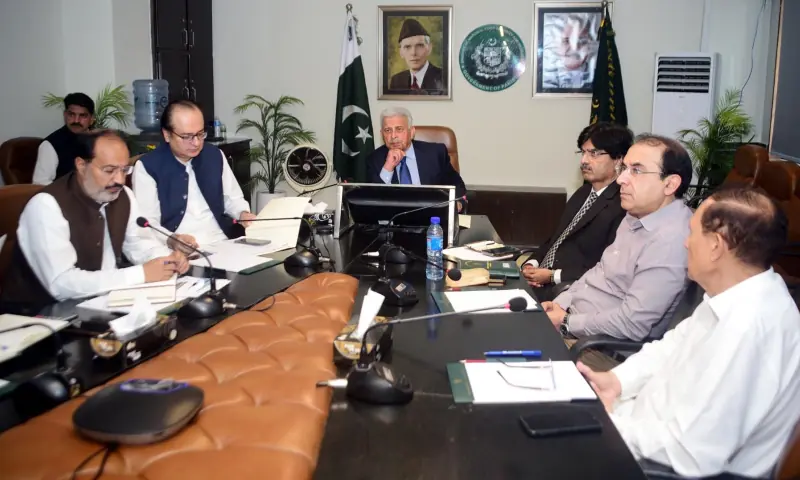
The Pakistani federal government has stated that there will be no wheat shortage in the country, announcing that seasonal production targets have been met. The current harvest is estimated to be 1.36 million metric tonnes higher than the previous year's yield. This assurance was given during the ninth meeting of the Wheat Board, presided over by Federal Minister for National Food Security and Research Rana Tanveer Hussain. Provincial representatives confirmed that sufficient wheat stocks are available nationwide to meet demand. Officials also indicated a strong stance against hoarding and artificial price increases, warning of a crackdown on market manipulation. The board expressed satisfaction with the nation's wheat supply, noting the successful achievement of strategic production goals. The meeting included key figures such as the secretary of the Ministry of National Food Security and Research, chief secretaries from Punjab and Sindh, agriculture and food secretaries from all provinces, senior ministry officials, and representatives from the Pakistan Flour Mills Association and other relevant stakeholders.
The government's declaration of a surplus wheat harvest and assurance against shortages aims to stabilize market expectations and potentially deter speculative activities. By highlighting increased production figures and warning against hoarding, authorities are signaling their intent to maintain price stability and ensure equitable distribution. This proactive communication strategy, particularly in a staple commodity like wheat, is crucial for managing public perception and preventing panic buying or artificial scarcity. Looking ahead, sustained agricultural productivity and effective supply chain management will be key to meeting future demands, especially in the context of evolving climate patterns and global food security dynamics. The government's focus on achieving production targets and monitoring market practices reflects a commitment to agricultural self-sufficiency and economic resilience.
AI-generated to prompt reflection — not editorial opinion, not advice, not a statement of fact. How this works.