Pakistan Halts Fuel Price Hikes for Two Days Amidst Market Volatility
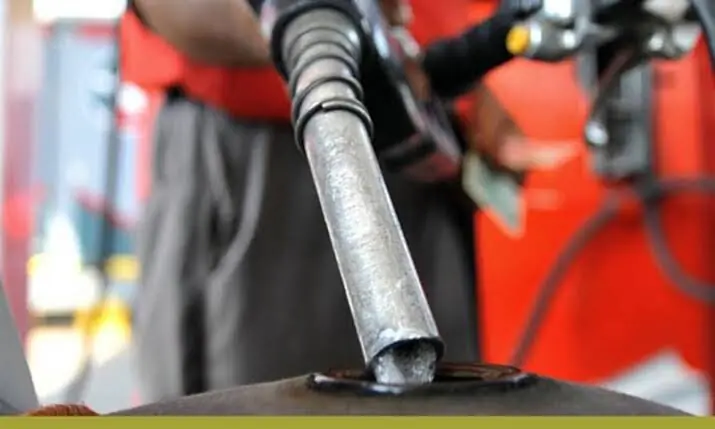
The Pakistani government has decided to maintain current petrol and high-speed diesel (HSD) prices for July 26 and 27. This decision comes as a result of "Platts prices" not being published on weekends. Previously, on July 25, prices were increased by Rs3.66 for petrol and Rs4.80 for HSD per litre. Currently, petrol is priced at Rs335.18 per litre, and HSD at Rs383.46 per litre. The government levies significant taxes and duties, totaling Rs110 per litre on petrol and Rs96 per litre on diesel. The Petroleum Division confirmed that the price adjustments announced for July 25 would extend to the following two days. Diesel prices have seen a substantial decrease from a peak of Rs520.35 on April 3, having risen from Rs281 per litre after the US-Iran conflict began on February 28. Similarly, petrol reached a high of Rs458.41 on April 3, after starting its ascent from Rs266 in early March. Petroleum Minister Ali Pervaiz Malik had previously indicated a shift towards daily fuel price adjustments to reflect international market fluctuations, particularly due to renewed US-Iran hostilities. The government had been implementing weekly revisions since March, alongside fuel conservation measures due to potential Middle East supply disruptions. In April, targeted relief for subsidized fuel was also announced. The minister added that the cabinet and prime minister approved granting the Oil and Gas Regulatory Authority (Ogra) the authority for daily fuel price decisions based on global market trends. However, the All Pakistan Dealers Association has rejected the daily pricing mechanism and is considering protest actions.
The Pakistani government's decision to temporarily freeze fuel prices, citing the non-publication of market data on weekends, highlights the challenges of managing energy costs amidst global volatility. The underlying cause for these fluctuations appears to be geopolitical tensions in the Middle East, which directly impact international oil prices. While daily pricing aims to reflect market realities, its implementation has met resistance from dealers, suggesting potential logistical or financial concerns within the distribution network. The significant tax burden on fuel indicates its importance as a revenue source, creating a tension between fiscal needs and the desire for affordable energy for consumers, particularly affecting the middle and lower-middle classes and the broader transport sector. Future policy will likely grapple with balancing these competing interests, potentially exploring mechanisms for greater price stability or targeted subsidies that do not unduly strain public finances or disrupt market operations.
AI-generated to prompt reflection — not editorial opinion, not advice, not a statement of fact. How this works.