Pakistan Hikes Fuel Prices Amidst US-Iran Tensions and Economic Woes
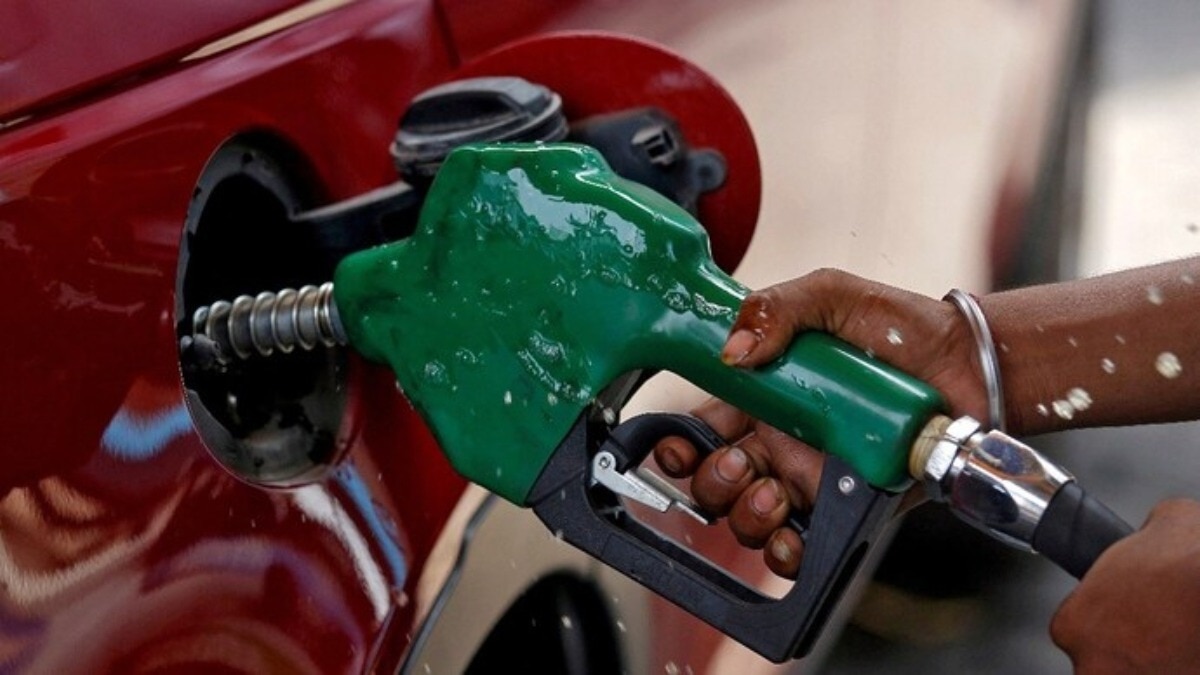
The government of Prime Minister Shehbaz Sharif has once again imposed higher inflation on the people of Pakistan by increasing the prices of petrol and diesel. The decision came into effect on Wednesday, adding to the economic burden on citizens. This move by the Pakistani administration occurs against a backdrop of escalating tensions between the United States and Iran, which has had a destabilizing effect on the region and Pakistan's economy. The country is reportedly facing significant economic hardship, making such price hikes particularly challenging for the general populace. The specific details of the price increase have not been provided in the source text, but the impact is described as a "bomb of inflation."
The Pakistani government's decision to raise fuel prices reflects a common response to fiscal pressures, often exacerbated by geopolitical instability and underlying economic vulnerabilities. In the context of regional tensions, such as those involving the US and Iran, Pakistan's economy can be susceptible to supply chain disruptions and increased import costs. This policy choice highlights the trade-off between immediate revenue generation and the potential for increased public discontent and reduced economic activity. Looking ahead, sustainable economic management in Pakistan will likely require addressing structural issues alongside navigating external shocks, with a focus on diversifying energy sources and strengthening domestic fiscal capacity to mitigate future price volatility.
AI-generated to prompt reflection — not editorial opinion, not advice, not a statement of fact. How this works.