Pakistan Hosts SCO Border Chiefs Meeting, Approves Joint Operations
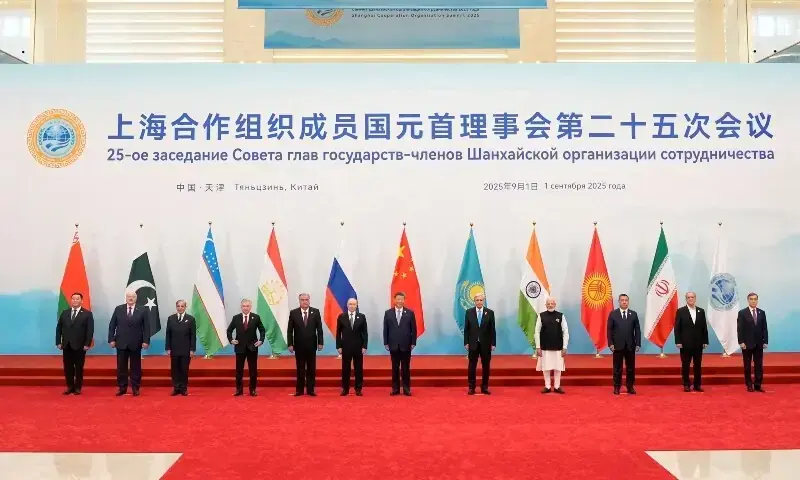
Pakistan hosted the 12th meeting of the Heads of Border Services of the Shanghai Cooperation Organisation (SCO) competent authorities on Friday, as announced by the Foreign Office (FO). The gathering included representatives from Belarus, India, Iran, Kazakhstan, China, Kyrgyzstan, Pakistan, Russia, Tajikistan, and Uzbekistan, alongside the SCO Regional Anti-Terrorist Structure (RATS). Participants exchanged insights on the border situation among member states, discussing current trends and future projections. A key outcome was the approval of the "Solidarity-2025" Joint Border Operation results. Looking ahead, the "Solidarity-2026" operation plan was also approved, with Tajikistan slated to host a similar operation in 2027. The FO stated that these discussions aim to bolster cooperation, enhance security, and foster mutual trust along shared borders. Iran's border guard commander, Brigadier General Ali Akbar Javidan, expressed Tehran's interest in deepening collaboration with SCO members on security, information exchange, and combating illicit activities like drug trafficking and smuggling. The SCO, initially a security bloc founded in 2001, has expanded to encompass trade and economic development, currently including ten member states and two observer states. Pakistan's Interior Minister had previously emphasized the "Shanghai spirit" and advocated for a unified strategy against terrorism and organized crime. Pakistan is also preparing to chair the SCO Council of Heads of State (CHS) in September and will host the CHS summit next year.
This meeting highlights the SCO's evolving role beyond its initial security mandate, now encompassing broader regional cooperation and operational planning for border management. The emphasis on joint operations like "Solidarity-2025" and "Solidarity-2026" suggests a growing institutional capacity for coordinated action among member states. However, the effectiveness of such operations will depend on sustained political will and the equitable sharing of intelligence and resources, particularly given the diverse geopolitical interests within the SCO. The organization's expansion and the increasing focus on economic development alongside security present both opportunities for regional stability and potential friction points, requiring careful navigation of member states' national priorities within the collective framework.
AI-generated to prompt reflection — not editorial opinion, not advice, not a statement of fact. How this works.