Pakistan Increases Petrol and Diesel Prices Amid Global Oil Surge
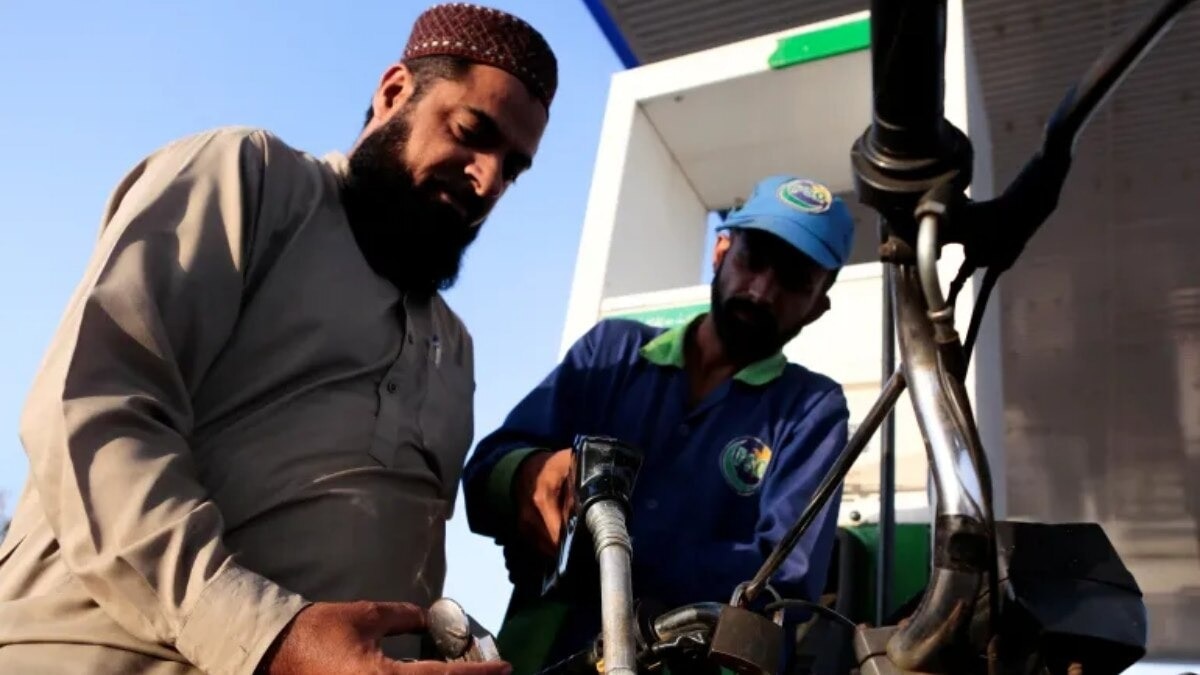
The Pakistani government has significantly increased the prices of petrol and diesel. This decision comes in the wake of escalating tensions between the United States and Iran, which has led to a surge in global crude oil prices. The rising international oil market costs have directly impacted Pakistan's fuel rates. This price hike is expected to create financial strain for the Pakistani public. The government's move reflects the challenges of managing fuel costs in a volatile global economic environment. The increase aims to align domestic prices with the elevated international benchmarks. This situation highlights Pakistan's vulnerability to global energy market fluctuations.
The Pakistani government's decision to raise fuel prices is a direct response to global market dynamics, specifically the increased cost of crude oil driven by geopolitical tensions between the US and Iran. This policy action, while necessary to manage fiscal pressures and align with international pricing, places a considerable burden on the Pakistani populace. Such dependency on external factors for domestic energy costs underscores the systemic challenge of energy security and economic stability in developing nations. Future policy considerations might involve diversifying energy sources or implementing more robust domestic price stabilization mechanisms to mitigate the impact of global volatility on citizens.
AI-generated to prompt reflection — not editorial opinion, not advice, not a statement of fact. How this works.