Pakistan Interior Minister's call for governance overhaul sparks national debate
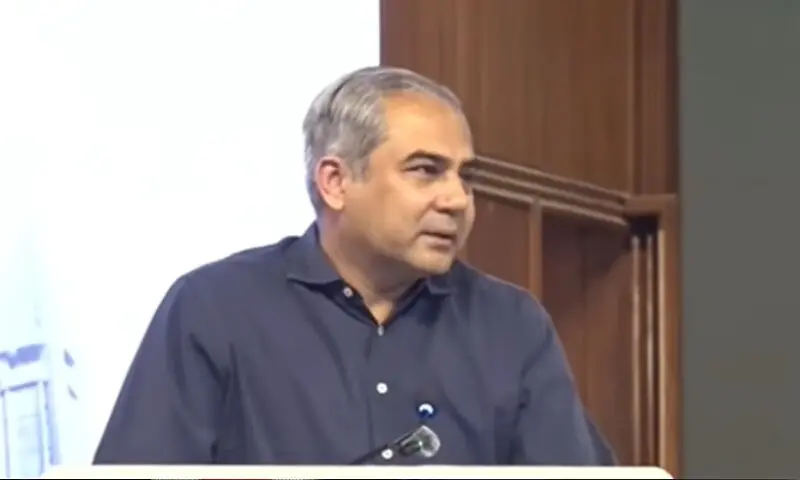
Interior Minister Mohsin Naqvi has ignited a significant political debate across Pakistan by proposing a complete overhaul of the country's governance structure and the creation of new administrative units. Speaking at the Pakistan Economic Summit in Islamabad on Thursday, Naqvi asserted that the current system has collapsed and is incapable of solving national problems. He urged political parties to convene and address all outstanding issues, including the formation of new provinces, warning that without fundamental structural changes, the same discussions would persist a decade later. Naqvi emphasized that more administrative units would bring services closer to citizens, highlighted the need for new leadership, and stated that the nation's youth desire justice, merit, and employment over superficial benefits.
The proposal has drawn varied reactions. The Pakistan Peoples Party (PPP) has referred the matter to its Central Executive Committee (CEC), with party secretary general Nayyar Bokhari stressing that any such changes must follow constitutional procedures, requiring a two-thirds majority in relevant assemblies and parliamentary approval. Sindh Chief Minister Syed Murad Ali Shah unequivocally rejected the idea, calling it a "stereotype" that the people of Sindh would never accept. Lawyers in Lahore, through the Lahore High Court Bar Association, deemed the suggestion unconstitutional, criticizing the timing and calling for adherence to the rule of law and judicial independence. Meanwhile, Sindhi nationalist groups, including Awami Tehreek leaders, accused Naqvi of advocating for the division of Sindh and demanded his resignation, viewing him as a spokesperson for the establishment's agenda.
Interior Minister Mohsin Naqvi's proposal for restructuring Pakistan's governance and creating new administrative units reflects a recurring tension between centralized control and regional autonomy, often resurfacing during periods of economic or political instability. The call for structural change, while framed as a solution to systemic collapse, intersects with complex historical and ethnic considerations that make provincial reorganization a highly sensitive issue. The varied responses highlight the challenge of achieving national consensus on governance reform, where constitutional pathways, political will, and regional identities must be carefully navigated. Future efforts at reform will likely depend on the ability to build broad-based support through parliamentary consensus rather than executive pronouncements, ensuring that proposed changes align with both constitutional mandates and the diverse aspirations of Pakistan's populace.
AI-generated to prompt reflection — not editorial opinion, not advice, not a statement of fact. How this works.