Pakistan Internet Restored After Submarine Cable Fault Fixed
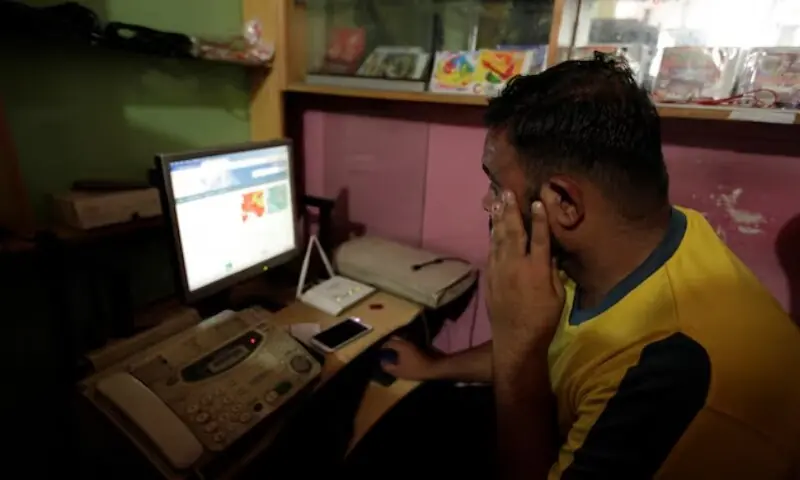
Pakistan's internet services have returned to normal following the resolution of a fault in the SEA-ME-WE 5 (SMW5) international submarine cable system. The Pakistan Telecommunication Authority (PTA) announced on Friday that the issue, which caused widespread connectivity problems on Thursday night, had been fixed. Internet traffic has since returned to normal, and the international transit capacity of Transworld Associates (TWA), the sole private-sector owner of submarine fiber-optic cable systems, has been restored. Internet service provider Nayatel confirmed the return to normal international traffic and stated its teams are monitoring the network for stability. Earlier, the PTA had reported a technical fault affecting data traffic, leading to potential intermittent service degradation for some users. This incident follows the landing of the new SEA-ME-WE 6 submarine internet cable in Pakistan in November. The SEA-ME-WE 6 cable boasts a capacity exceeding 100 terabits per second, offering a low-latency route between Southeast Asia, the Middle East, and Western Europe, with Pakistan allocated 13.2 terabits per second. This newer system enhances resilience and diversification on high-traffic Asia-Europe routes.
The recent disruption highlights the critical, yet often invisible, infrastructure underpinning global digital connectivity. While the swift resolution of the SEA-ME-WE 5 fault restored services, it underscores the inherent vulnerabilities in relying on a limited number of submarine cable systems for international data transit. The introduction of the SEA-ME-WE 6 cable signifies a strategic move towards enhancing network resilience and capacity, a necessary evolution in anticipation of escalating data demands in the AI era. Future infrastructure planning will likely prioritize diversification and redundancy across multiple cable systems and geographies to mitigate the impact of localized failures and geopolitical risks, ensuring more robust and dependable global internet access.
AI-generated to prompt reflection — not editorial opinion, not advice, not a statement of fact. How this works.