Pakistan Invites Iranian Officials for Talks Amid US Tensions
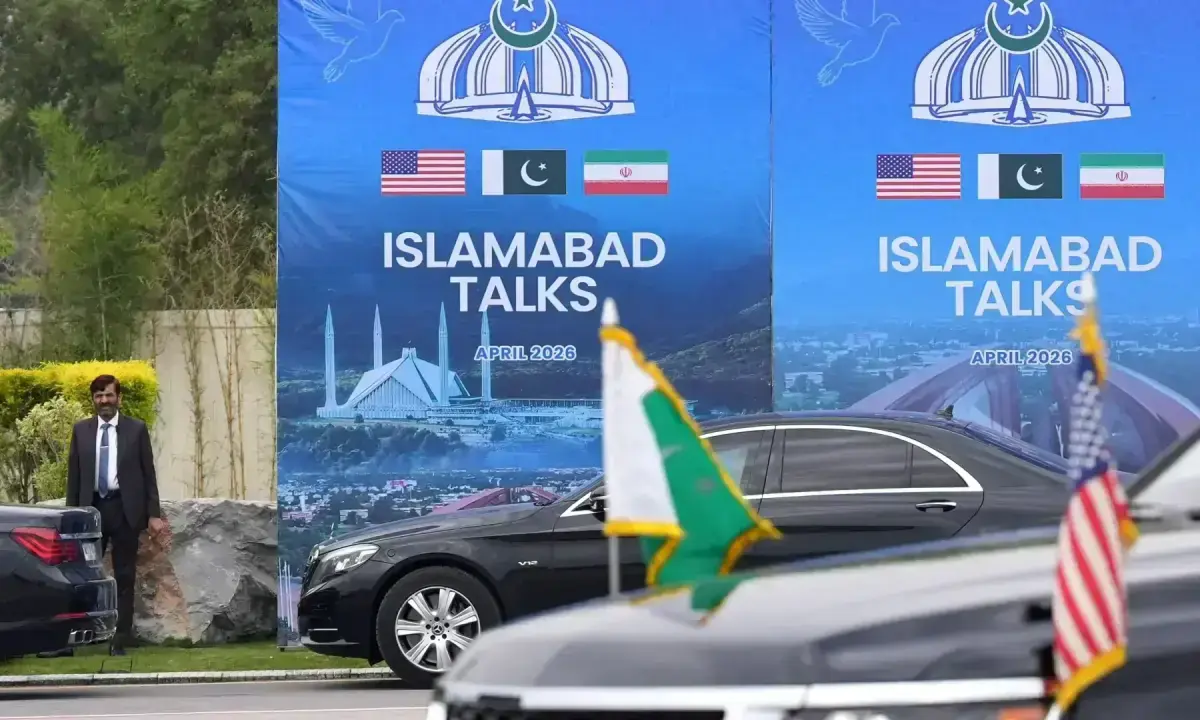
Pakistan has extended invitations to Iran's Parliament Speaker Mohammad Bagher Ghalibaf and Foreign Minister Seyyed Abbas Araghchi for urgent consultations on regional developments. The invitations were delivered in Tehran on Monday evening after a conversation between Pakistani Foreign Minister Ishaq Dar and his Iranian counterpart Araghchi. Both sides reportedly exchanged views on regional and international matters, including the situation in East Jerusalem. The exact timing of the Iranian officials' visit to Pakistan remains undetermined, but they have been urged to travel as soon as possible. These diplomatic overtures occur shortly after U.S. President Donald Trump announced the cancellation of imminent strikes against Iran, stating that allies had persuaded him to hold off due to an apparent imminent deal. Saudi Crown Prince Mohammed bin Salman was among those who spoke with Trump to dissuade him from military action, with the UAE and Qatar also mentioned as countries that requested the U.S. to halt the planned strikes. Iran's Foreign Ministry has reiterated that Pakistan serves as its primary mediator with the United States, with Qatar providing assistance when necessary. This statement comes as President Trump has accused Iran's leadership of being "unbelievably duplicitous" following Tehran's denial of ongoing negotiations with the U.S. Trump has renewed threats of military pressure, warning Iran faces "decapitation" unless a "deal, or total surrender" is achieved. He previously suggested that renewed talks could begin soon, while asserting U.S. control over the Strait of Hormuz, stating nothing can pass without U.S. approval unless a deal is made or Iran surrenders.
This situation highlights the complex geopolitical dynamics surrounding Iran's nuclear program and regional influence. Pakistan's role as a mediator underscores the value of non-aligned nations in de-escalating tensions between major powers. The U.S. administration's approach, characterized by conditional threats and offers of negotiation, reflects a strategy aimed at leveraging economic and military pressure to achieve diplomatic objectives. The contradictory statements from Iran and the U.S. suggest a challenging negotiation environment where trust is limited. Future developments will likely depend on the effectiveness of back-channel diplomacy and the willingness of all parties to compromise, particularly concerning regional security and Iran's adherence to international agreements. The reliance on military threats, even when tempered with offers of dialogue, presents a persistent risk of miscalculation and escalation in the coming decade.
AI-generated to prompt reflection — not editorial opinion, not advice, not a statement of fact. How this works.
