Pakistan: KP Chief Minister Faces Arrest Warrant, Former Senator Appeals Sentence
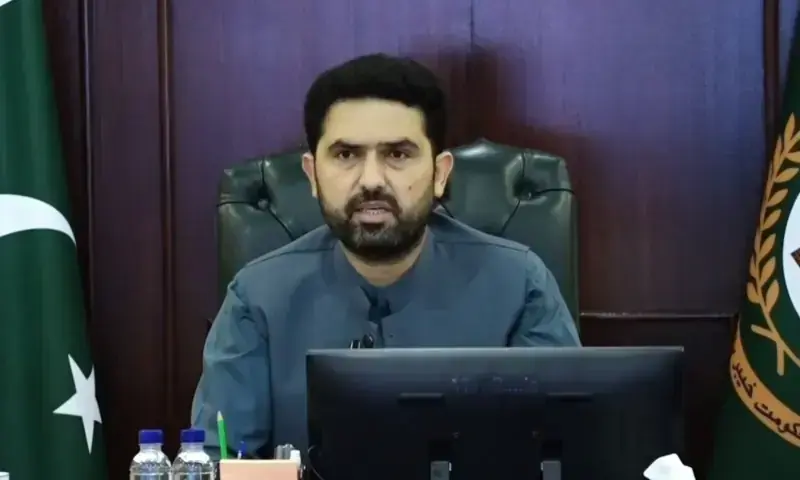
A court in Islamabad has issued non-bailable arrest warrants for Sohail Afridi, the Chief Minister of Khyber Pakhtunkhwa (KP), due to his repeated failure to appear in court. The case, registered by the National Cyber Crime Investigation Agency (NCCIA) under the Prevention of Electronic Crimes Act (Peca), involves allegations of misleading statements and defamatory remarks against state institutions made by CM Afridi through electronic media. Senior Civil Judge Abbas Shah expressed displeasure over the absence and warned that proceedings to declare Afridi a proclaimed offender would commence if he fails to appear on the next hearing date, scheduled for September 3. The judge has directed authorities to execute the warrants and ensure Afridi's presence.
Meanwhile, former senator and PTI leader Ejaz Ahmed Chaudhry has approached the Supreme Court against the Lahore High Court's (LHC) decision to refuse the suspension of his sentence. Chaudhry, currently imprisoned in Kot Lakhpat jail, was convicted by an anti-terrorism court (ATC) for alleged involvement in conspiracy meetings related to the violent events of May 9-10, 2023. His petition argues that the LHC's order was non-speaking and that his conviction is based on questionable evidence, with no interim relief available from the appellate forum. He contends his continued custody is irreparable harm that constitutional jurisdiction should prevent, adding that he was not initially nominated in the FIR and no incriminating material was recovered from him.
Separately, Aleema Khan, sister of PTI founder Imran Khan, alleged that her brother is being tortured in jail and deprived of his rights, vowing that people from across Pakistan will join an upcoming march to pressure for his release. She criticized the allegations against Imran Khan's sisters for engaging in politics while he is incarcerated. Noreen Niazi, another sister, expressed concerns about the courts' perceived helplessness and the nature of their judgments. The court has deferred its verdict in Aleema Khan's own case, with a decision expected on August 11.
The legal proceedings against KP Chief Minister Sohail Afridi highlight potential governance challenges and the application of electronic crime legislation. The issuance of arrest warrants for a sitting chief minister underscores the judiciary's authority and the consequences of non-compliance with court orders, irrespective of an individual's position. Simultaneously, the appeal by former senator Ejaz Ahmed Chaudhry raises critical questions about due process, the sufficiency of evidence in terrorism-related cases, and the accessibility of interim relief mechanisms within the legal framework. The protracted legal battles and the rhetoric surrounding them, as expressed by Aleema Khan, reflect the broader political polarization and public distrust in institutional processes. These events, viewed through a ten-year lens, suggest an ongoing tension between political power, legal accountability, and the public's perception of justice, particularly in an era where digital communication and state institutions are increasingly scrutinized.
AI-generated to prompt reflection — not editorial opinion, not advice, not a statement of fact. How this works.